
Table of Contents
- How Coffee Subscriptions Work
- Roast-to-Order Coffee Benefits Explained
- Philz Coffee vs Specialty Roaster Subscriptions: Head-to-Head Comparison
- How to Choose a Coffee Subscription
- Coffee Subscription Cost Comparison
- Key Differences in Subscription Models
- Which Model Wins for Your Coffee Habits
- Frequently Asked Questions
Last Updated: August 31, 2026
How Coffee Subscriptions Work
Coffee subscriptions deliver freshly roasted beans directly to your door on a schedule you control. The model is straightforward: you choose your preferences once, and the roaster handles the rest. Most subscriptions operate on a recurring monthly or bi-weekly cycle, though many let you pause, skip, or adjust frequency without penalties.
The mechanics differ between two main models. Curated subscription services select beans for you based on a profile you complete, rotating through origins and roast profiles to introduce variety. Roaster-direct subscriptions let you pick specific beans each month from a single roaster's current lineup. Both approaches prioritize one thing that retail bags can't match: roast date control. Your coffee ships within days of roasting, not weeks after sitting in a warehouse.
Delivery typically takes 3-5 business days, though some specialty roasters offer expedited shipping (the FTC). Packaging varies widely, some use kraft paper with one-way valves, others use resealable pouches or even compostable materials. The subscription fee usually covers shipping, eliminating the surprise cost that makes one-off online orders feel expensive.
Roast-to-Order Coffee Benefits Explained
When a roaster roasts your coffee to order, you're getting beans at peak flavor. Most specialty coffee loses its optimal window within 2-3 weeks of roasting, and retail bags often sit for months before reaching your hands (peer-reviewed research). Roast-to-order eliminates that lag entirely.
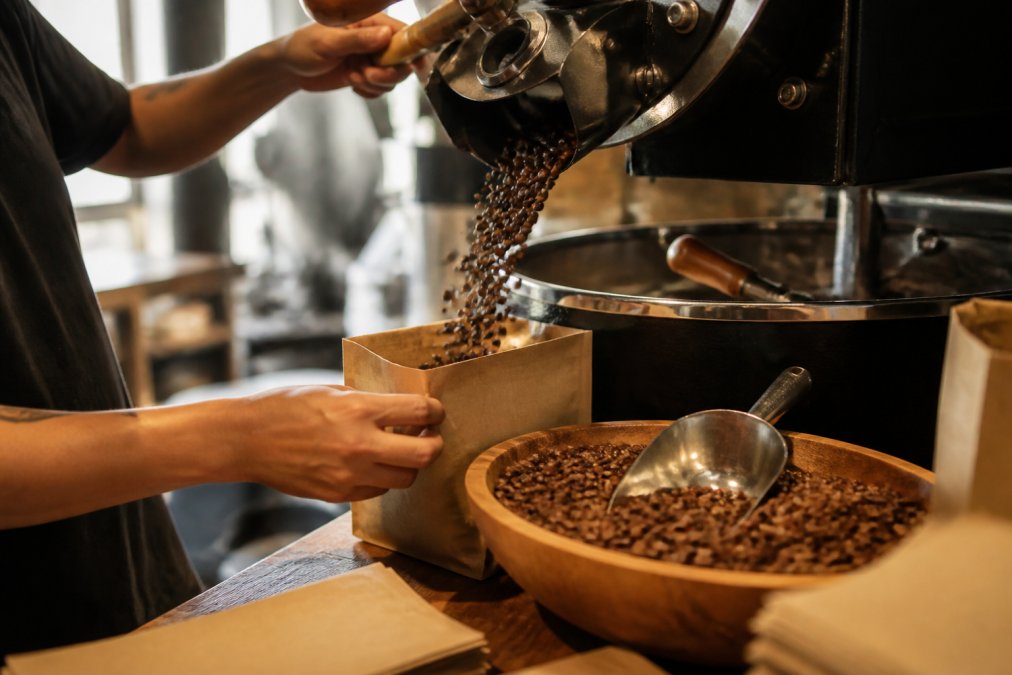
The flavor difference is tangible. Fresh-roasted beans have more vibrant acidity, cleaner flavor notes, and better aromatic complexity. The CO2 released during roasting continues for days afterward, and that gas helps extract flavors during brewing. By the time a retail bag reaches you, much of that gas is gone, and the oils have begun oxidizing.
Customization is another advantage. Roast-to-order roasters can adjust the roast profile specifically for your brewing method. French press users typically want a darker roast with more body; pour-over enthusiasts often prefer lighter roasts that highlight origin characteristics. A roaster roasting to order can dial in exactly what you need instead of guessing what a mass-market bag should be.
Freshness also means consistency. Every bag you receive has the same roast date, so your brewing parameters stay stable. Retail coffee varies wildly, one bag might be two weeks old, the next might be six weeks old, and your grind size and water temperature need adjustment each time.
Philz Coffee vs Specialty Roaster Subscriptions: Head-to-Head Comparison
Philz Coffee operates as a cafe-first business with limited online ordering. They roast in-house and ship whole bean coffee, but their primary focus is their retail locations and walk-up counter. Their subscription model is minimal compared to dedicated roaster-direct services or curated marketplaces.
Specialty roaster subscriptions come in two flavors. Roaster-direct services (like The Last Sip Coffee Roasters) ship exclusively from their own roastery, giving you access to their house blends and seasonal single-origins. Curated marketplaces connect you with multiple roasters, rotating selections monthly to expose you to different styles and origins.
The core difference: Philz emphasizes convenience and consistency across their cafe experience, while specialty roaster subscriptions prioritize freshness, customization, and discovery. Philz works well if you want familiar flavors and don't want to think about it. Specialty subscriptions appeal to people who care deeply about roast dates, origin stories, and flavor precision.
Freshness and Roast Dates
Philz Coffee ships whole beans roasted in their facilities, but their roast-to-order capability is limited to cafe demand. If you order online, you're getting beans that were roasted for their counter traffic, then diverted to shipping. The roast date on your bag might be 5-10 days old by the time it arrives (peer-reviewed research).
Specialty roaster subscriptions that operate roast-to-order models ship beans roasted specifically for your order. The roast date is typically 1-3 days before shipping. The Last Sip Coffee Roasters, for example, roasts every order to specification, meaning your beans are roasted after you've placed your subscription request.
This matters measurably. A bean roasted to order and shipped immediately arrives at peak flavor. A bean roasted for cafe traffic and later shipped has already begun losing aromatic compounds and CO2. For people who measure coffee quality by freshness, the gap is significant.
Customization and Flavor Profiles
Philz Coffee offers limited customization. You can choose between their standard blends, typically a few house options and seasonal single-origins. The selection rotates, but you're picking from a fixed menu, not building a custom order.
Specialty roaster subscriptions vary. Roaster-direct services let you choose from their full catalog each month. The Last Sip Coffee Roasters offers multiple roast profiles (medium, medium-dark, dark) and blends tailored to different brewing methods. Curated marketplaces go further, asking detailed questions about your brewing setup, flavor preferences, and roast profile favorites, then selecting beans algorithmically.
For people who care about matching roast profile to brewing method, a darker roast for espresso, a lighter roast for pour-over, specialty subscriptions offer precision Philz doesn't provide. Philz assumes you'll enjoy their standard profiles, which works for many people but limits flexibility.
Shipping Speed and Packaging
Philz Coffee ships via standard USPS or UPS, typically arriving within 5-7 business days. Packaging is functional but not specialized, kraft paper bags without particular environmental consideration.
Specialty roaster subscriptions prioritize packaging. Many use one-way valve bags that let CO2 escape while preventing oxygen from entering. Some offer compostable or recyclable packaging options. Shipping speed varies: roaster-direct services ship quickly after roasting (2-3 days), while curated marketplaces may take longer to source from multiple roasters and consolidate shipments.
The trade-off: Philz offers faster, simpler shipping for people who just want coffee. Specialty subscriptions optimize for freshness and environmental impact, which sometimes means slightly longer fulfillment.
How to Choose a Coffee Subscription
Start by defining what matters most to you. If you want simplicity and consistency, a single-roaster subscription from a trusted name (like The Last Sip Coffee Roasters) removes decision fatigue, you get the same quality every month with minimal thought. If you value discovery and variety, a curated marketplace exposes you to new roasters and origins regularly.
Next, consider your brewing method. French press and espresso brewing benefit from darker roasts with more body. Pour-over and Aeropress brewing shine with lighter roasts that highlight origin characteristics. A subscription that lets you choose roast profile gives you better results than one that forces you into a single style.
Frequency matters too. If you drink half a pound per week, a monthly subscription might leave you with stale coffee mid-month. A bi-weekly subscription keeps beans fresher. Some people prefer quarterly shipments of larger quantities to reduce shipping costs. Most subscriptions let you adjust frequency, so test a few cycles before locking in a schedule.
Budget is the final filter. Specialty roaster subscriptions typically cost more per pound than retail coffee, but you're paying for freshness and customization. Philz Coffee and similar cafe-based services fall somewhere in the middle, more than grocery store coffee, less than premium roaster subscriptions.
Coffee Subscription Cost Comparison
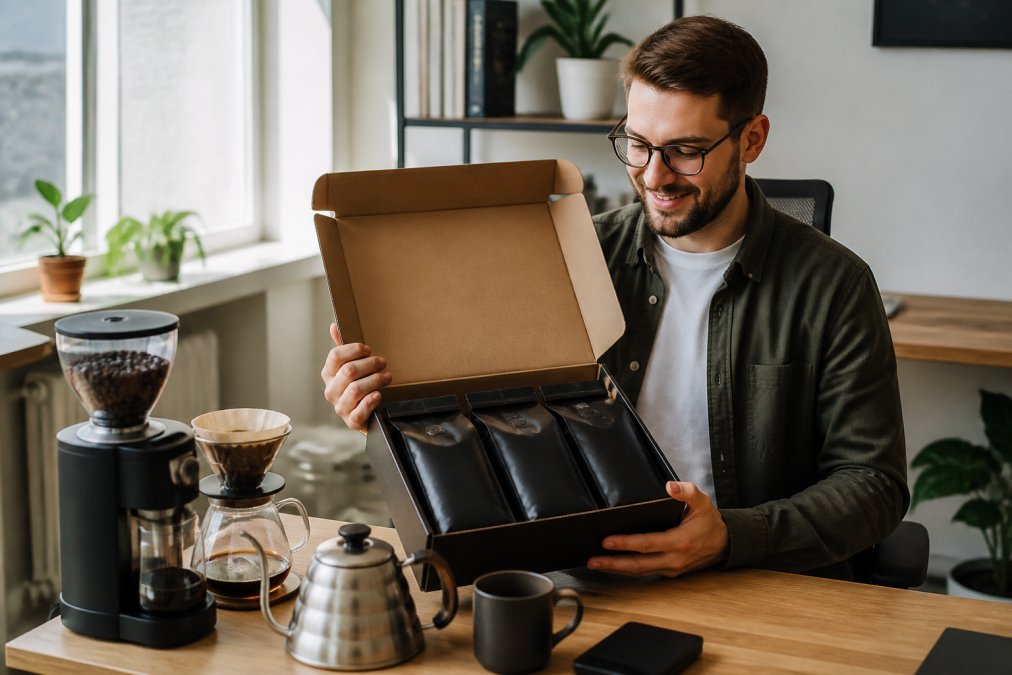
Pricing varies significantly by model and roast quality. The Last Sip Coffee Roasters offers their blends at $19.99 per 16 oz bag, which is typical for premium roaster-direct subscriptions. A monthly subscription of one bag costs roughly $20-25 after shipping, or about $1.25-1.50 per ounce.
Philz Coffee's online pricing is comparable, around $18-22 per bag depending on the blend, plus shipping costs that add $5-8 per order. For a single bag, that's similar to specialty roaster subscriptions. But Philz doesn't offer subscription discounts, so repeat orders don't get cheaper.
Curated marketplaces range widely. Entry-level options start around $15-18 per bag with shipping included. Premium curated services run $22-28 per bag. The variation reflects sourcing quality and curation sophistication.
The real cost comparison emerges at scale. A person drinking one pound per week spends roughly $80-120 monthly on specialty roaster subscriptions, versus $60-80 on Philz or grocery store premium brands. Over a year, that's $240-480 more. But the flavor difference and freshness justify the premium for people who care about coffee quality.
| Subscription Type | Cost Per Bag | Shipping | Monthly Total (1 bag) | Annual Cost |
|---|---|---|---|---|
| Specialty Roaster (The Last Sip) | $19.99 | Included | $20-25 | $240-300 |
| Philz Coffee | $18-22 | $5-8 | $25-30 | $300-360 |
| Curated Marketplace (Premium) | $22-28 | Included | $22-28 | $264-336 |
| Grocery Store Premium | $12-15 | N/A | $12-15 | $144-180 |
Key Differences in Subscription Models
The distinction between roaster-direct and curated subscriptions shapes your entire experience. Roaster-direct subscriptions give you a relationship with one roaster's philosophy and sourcing practices. You learn their flavor signature, understand their bean origins, and develop preferences for their specific blends. The Last Sip Coffee Roasters operates this way, you're buying into their roasting style and sourcing decisions.
Curated subscriptions prioritize variety and discovery. Each month brings beans from different roasters, different origins, different roast profiles. You might get a Kenyan single-origin one month, a Brazilian blend the next. This appeals to adventurous coffee drinkers who want to explore without doing the research themselves.
Philz occupies a middle ground. They're roaster-direct in the sense that you're getting their beans from their roastery. But they don't emphasize customization or discovery, they emphasize consistency and cafe convenience. Their subscription model is essentially "get our standard blends shipped regularly," not "customize your order" or "discover new origins."

Cancellation and flexibility differ too. Most specialty roaster subscriptions let you skip months, adjust frequency, or cancel anytime without penalty. Philz's online ordering is more transactional, you're placing individual orders rather than committing to a subscription with built-in flexibility.
Which Model Wins for Your Coffee Habits
If you brew pour-over or Aeropress at home and care about origin characteristics and roast precision, a specialty roaster subscription wins. The ability to choose roast profile and get beans roasted to order gives you better results than Philz's fixed lineup. The Last Sip Coffee Roasters's approach, roasting to order with customizable profiles, aligns perfectly with this use case.
If you drink coffee casually and want convenience above all else, Philz Coffee or a grocery store premium option is fine. The flavor difference won't matter as much, and you'll save money. Specialty subscriptions are overkill if you're not tasting the nuances.
If you're curious about coffee but don't have strong preferences yet, a curated subscription helps you discover what you like. The rotating selections teach you about different origins and roast profiles without committing to a single roaster's style.
If you go through coffee quickly (more than a pound per week), a roaster-direct subscription with flexible frequency makes sense. You can order bi-weekly instead of monthly, keeping beans fresher throughout your supply. A curated marketplace might struggle to keep up with high volume.
The friction point most people face: Philz and similar cafe-based services feel familiar and low-risk. Specialty roaster subscriptions require more engagement upfront, choosing a roaster, understanding your preferences, committing to a recurring order. But that friction disappears after the first shipment. Once you experience fresh-roasted coffee from a roaster who cares about roast dates and customization, retail alternatives feel flat.
Choosing between Philz Coffee and specialty roaster subscriptions comes down to what you value in your morning cup. If freshness, customization, and roast precision matter to you, specialty roaster subscriptions deliver measurably better results. The Last Sip Coffee Roasters roasts every order to specification, ensuring maximum flavor and aroma in every bag. Our simple ordering process and reliable fulfillment make it easy to start, browse our current blends and experience the difference fresh-roasted coffee makes.

Frequently Asked Questions
What's the main difference between Philz Coffee and specialty roaster subscriptions?
Philz Coffee operates as a large-scale brand with standardized blends and broader distribution, while specialty roaster subscriptions typically feature small-batch, roast-to-order coffee from independent roasters. Specialty roaster subscriptions emphasize freshness and single-origin sourcing, whereas Philz focuses on consistent house blends. The Last Sip Coffee Roasters, for example, roasts every batch to order, ensuring maximum freshness and aroma compared to pre-roasted inventory models.
Are specialty roaster subscriptions worth the extra cost?
It depends on your priorities. Specialty roaster subscriptions cost more upfront but deliver fresher beans with specific roast dates and tasting notes. If you value flavor complexity and brewing quality, the premium justifies itself. However, if you prioritize convenience and consistency over discovering new flavor profiles, a mainstream option may suit you better. Many coffee enthusiasts find the freshness and customization options make specialty subscriptions worth the investment.
How do I know if a coffee subscription is actually fresh when it arrives?
Check the roast date on the bag. Quality specialty roaster subscriptions ship within days of roasting, so look for roast dates within 1-2 weeks of arrival. Whole bean coffee stays fresh for 2-4 weeks after roasting when stored properly in an airtight container away from light and heat. Avoid pre-ground coffee from retail shelves, which loses flavor quickly. Roast-to-order services guarantee freshness because they roast after you order, not weeks before.
Can I customize a coffee subscription if I have different preferences than my household?
Most specialty roaster subscriptions allow account customization, but the specifics vary. Some let you select different beans for each shipment, while others offer tiered subscriptions where household members can have separate preferences. Before subscribing, confirm the roaster's flexibility policy. The Last Sip Coffee Roasters and similar direct-to-consumer roasters typically allow order adjustments during checkout, making it easy to tailor selections for multiple coffee drinkers.
This article was written using GrandRanker