
Table of Contents
- The Freshness Advantage of Buying Coffee Online
- Best Specialty Coffee Roasters 2026: What Sets Quality Online Roasters Apart
- Cost Analysis: Is Online Coffee More Expensive Than Retail?
- How to Store Coffee Beans for Maximum Freshness After Delivery
- Coffee Subscription vs One-Time Purchase: Which Model Works Best for You
- Environmental Impact and Sustainability of Online Coffee Delivery
- Common Mistakes When Buying Coffee Online
- Conclusion
Last Updated: August 29, 2026
The Freshness Advantage of Buying Coffee Online
Buying coffee online delivers fresher beans than most retail options because specialty roasters ship within days of roasting. Coffee begins losing aromatic compounds and flavor complexity the moment it cools from the roaster (peer-reviewed research). A supermarket bag might be two weeks old already, while an online order from a specialty roaster ships with a roast date just three to five days prior. That difference translates directly to your cup: more vibrant acidity, cleaner flavor notes, and fuller aroma.
At The Last Sip Coffee Roasters, we roast every batch to order, ensuring your coffee is roasted specifically for your purchase, not sitting in warehouse inventory. Local specialty roasters offer similar freshness advantages, but buying online removes geographic limitations. You can access single-origin coffees from specific farms, limited-edition seasonal roasts, and specialty blends unavailable locally.
Best Specialty Coffee Roasters 2026: What Sets Quality Online Roasters Apart
Quality online roasters source directly from growers or importers, roast in small batches, publish roast dates prominently, and ship quickly. Look for roasters who provide detailed information: origin region, altitude, processing method, and tasting notes. A roaster describing "Colombia Huila, 1,800-2,000 meters altitude, washed process, notes of chocolate and orange" is sourcing with intention, unlike those selling generic "Colombian coffee."
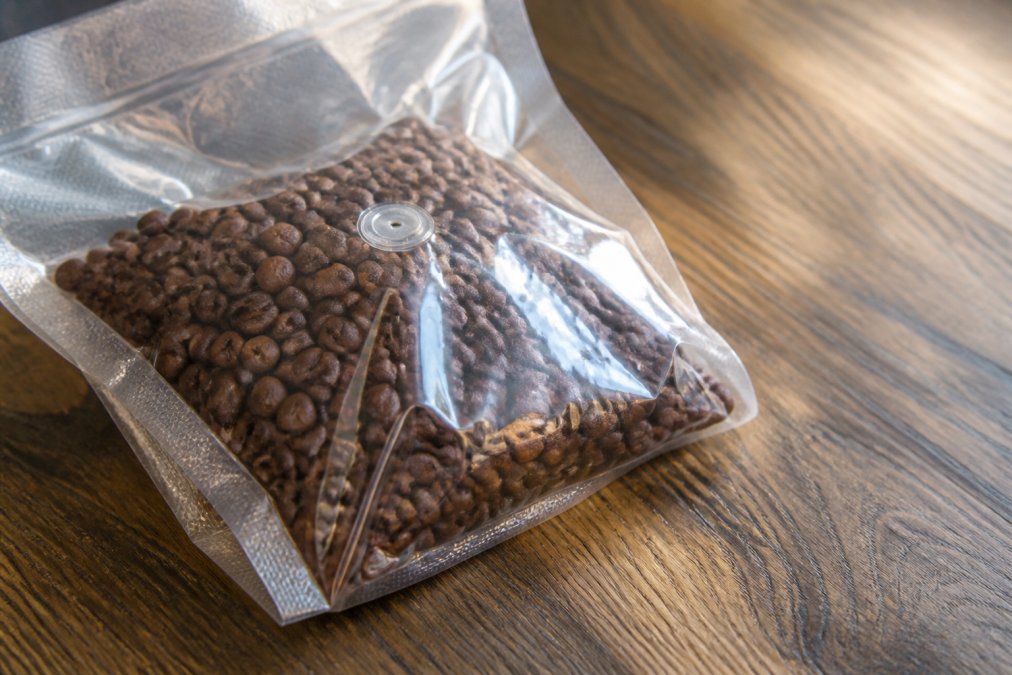
The Last Sip Coffee Roasters exemplifies this standard with carefully sourced single-origin coffees and proprietary blends, each batch roasted to order. Transparency matters most, quality roasters explain their practices.
Many specialty roasters offer sample packs for exploration before bulk purchases. Our Best Coffee Sampler Packs include six 2oz portions of popular blends and single origins, perfect for discovering which profiles suit your preferences.

Cost Analysis: Is Online Coffee More Expensive Than Retail?
Online specialty coffee costs $14-18 per pound for single-origin coffees and $12-16 for blends, compared to $8-12 for supermarket premium brands. If you drink two cups daily, you use roughly two pounds monthly, $32 for specialty online coffee versus $16-24 for supermarket beans.
Shipping costs ($5-12) matter more for small orders. Subscriptions or bulk purchases reduce per-shipment shipping costs. The Last Sip Coffee Roasters offers sample packs at $24.99 for six 2oz portions, letting you test quality without committing to full-size bags.
Compare total cost of ownership: a supermarket bag finished in two weeks represents stale coffee by day seven, while specialty online coffee consumed at peak freshness delivers superior flavor despite higher cost. If freshness matters, the premium is justified.
How to Store Coffee Beans for Maximum Freshness After Delivery
Whole beans stay fresh for 2-4 weeks if stored correctly (peer-reviewed research). The enemies of freshness are oxygen, light, heat, and moisture.
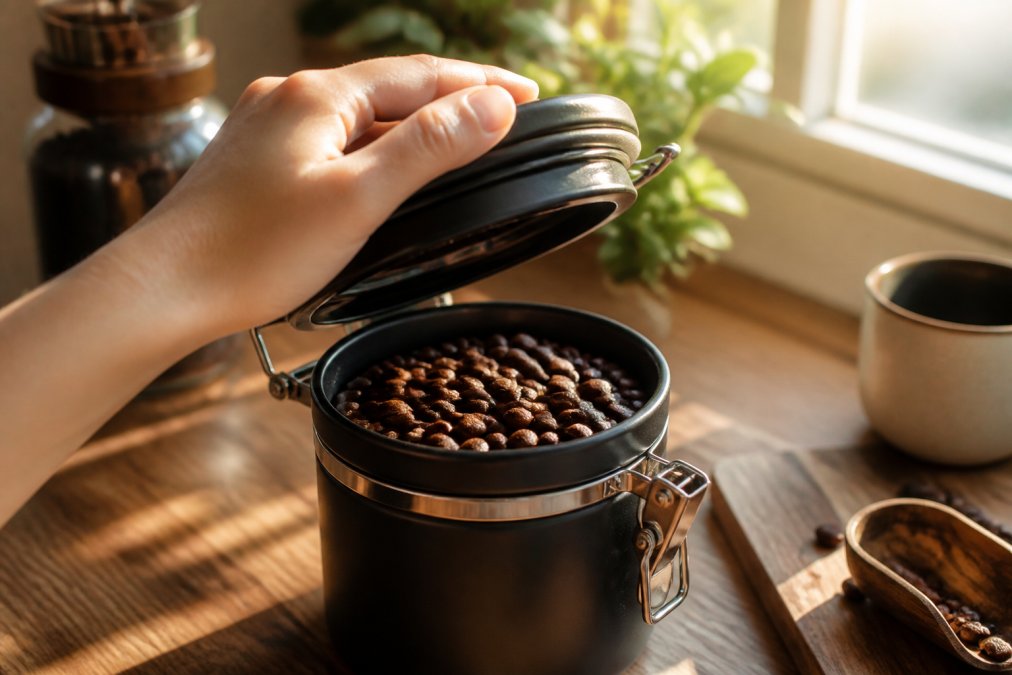
Use airtight containers designed for coffee storage. Avoid clear containers that expose beans to light. Store in a cool, dark cupboard at 60-70°F, not on windowsills or near heat-generating appliances. Refrigerators introduce moisture when opened, degrading beans faster than room-temperature storage.
Grind immediately before brewing. Whole beans preserve aromatic compounds much longer than ground coffee, which oxidizes within hours. Purchase quantities you'll use within 2-4 weeks, smaller, more frequent orders maintain freshness better than stockpiling.
Coffee Subscription vs One-Time Purchase: Which Model Works Best for You
Subscriptions offer convenience and 10-15% discounts if you have consistent consumption patterns. One-time purchases provide flexibility and control without commitment.
Subscription benefits include automatic delivery on your schedule and regular exploration of new roasts. Most roasters allow easy pauses or cancellations. One-time purchases let you buy exactly what you want without commitment, ideal for people still exploring preferences or with inconsistent consumption.
Consider your actual consumption. If you drink coffee daily and go through one pound per week consistently, a subscription makes sense. If consumption varies or you're still exploring which roasts you prefer, start with one-time purchases.
The Last Sip Coffee Roasters makes both options straightforward, with sample packs and full-size bags available individually or through subscription.
| Option | Best For | Cost Structure | Flexibility |
|---|---|---|---|
| Subscription Model | Consistent daily drinkers | 10-15% discount, recurring charge | Adjustable frequency, easy pause/cancel |
| One-Time Purchase | Explorers or irregular drinkers | Full price per order | Complete control, no commitment |
| Sample Packs | New customers testing quality | Low entry cost ($24.99) | Try multiple roasts before committing |
Environmental Impact and Sustainability of Online Coffee Delivery
Shipping adds environmental cost through transportation emissions and packaging. However, the sustainability calculation isn't straightforward. Supermarket coffee often involves weeks of cold storage and long supply chains, with energy costs potentially exceeding direct shipment emissions. Additionally, supermarket coffee frequently comes from industrial roasters that prioritize volume over sustainable sourcing.
Quality roasters increasingly minimize packaging waste using recyclable cardboard and biodegradable cushioning. Ordering monthly instead of weekly cuts shipping frequency by 75%. The strongest environmental argument for buying quality coffee online is that it encourages sustainable sourcing practices, specialty roasters often support shade-grown coffee, which preserves forest ecosystems, unlike industrial commodity coffee production.
Common Mistakes When Buying Coffee Online
The most frequent error is ordering too much coffee at once. Coffee peaks in flavor 5-7 days after roasting and declines noticeably after two weeks (peer-reviewed research). Ordering two pounds when you consume half a pound weekly means your second pound is stale before opening it.
Another common mistake is ignoring the roast date. If a roaster doesn't show roast dates clearly, that's a red flag. Choosing based on price alone defeats the purpose, the cheapest online option often means older inventory or lower-quality beans.
Grinding all beans immediately after delivery wastes the freshness advantage. Grind immediately before brewing. Not accounting for shipping costs in your budget leads to sticker shock. Finally, signing up for a subscription without understanding cancellation terms creates friction, read the terms before subscribing.
Buying coffee online is worth it if freshness and quality matter to you more than convenience or lowest cost. You get access to specialty roasters and single-origin coffees unavailable locally, with beans roasted to order and shipped at peak flavor.
The Last Sip Coffee Roasters delivers this advantage through our roast-to-order approach and careful sourcing. Start with our Best Coffee Sampler Packs to explore different flavor profiles without bulk commitment. Order only what you'll consume within 2-3 weeks, store in airtight containers away from light and heat, and grind immediately before brewing. These practices ensure you experience the full benefit of fresh, specialty coffee delivered to your door.
Frequently Asked Questions
Q: How do I know if buying coffee online is actually fresher than what I get at a local specialty roaster?
A: Online roasters ship within days of roasting, often with visible roast dates on the bag. Most specialty roasters roast to order specifically to maximize freshness. Compare the roast date on an online order to beans sitting on a retail shelf for weeks. Peak flavor occurs 5-14 days after roasting, so beans arriving within that window beat store inventory.
Q: What's the real difference between a coffee subscription and buying one-time purchases online?
A: Subscriptions deliver fresh beans on a schedule you set, ensuring you never run out and always have recently roasted coffee. One-time purchases give you control but require remembering to reorder. Subscriptions often cost less per pound and eliminate shipping delays between orders. However, they work best if you drink coffee consistently. If you're unsure about commitment, start with a sampler pack like The Last Sip's Single Origin Sample Pack ($24.99) to test quality before subscribing.
Q: Is buying specialty coffee online worth the extra cost compared to grocery store beans?
A: Specialty coffee costs more upfront but delivers measurable differences: single-origin beans offer distinct flavor profiles, roasters provide tasting notes and origin information, and fresher roast dates mean better aroma and taste. Grocery store beans are often months old. Calculate cost per cup, specialty beans may cost 10-20 cents more but create a noticeably better experience. For those working from home or valuing morning rituals, the quality difference justifies the premium.
Q: How fast does shipping need to be for online coffee to stay fresh?
A: Coffee stays fresh for 2-4 weeks after roasting if stored properly, so shipping within 5-7 days keeps beans in their peak flavor window. Most online roasters ship within 1-3 business days of roasting. Track the roast date on your bag, if it's more than a week old upon arrival, contact the roaster. Fast, reliable delivery is a key differentiator for quality online coffee services.
This article was written using GrandRanker