
Table of Contents
- Tea and Coffee Subscription Box Review: What Actually Matters in 2026
- How We Reviewed Every Tea and Coffee Subscription Box
- Best Coffee Subscription Boxes: What Fresh Roasted Actually Tastes Like
- Best Tea Subscription Boxes: What Tea Drinkers Should Expect
- Coffee Subscription Cost: Breaking Down the Real Price Per Cup
- Freshly Roasted Coffee Delivery: How to Verify Freshness Before You Buy
- Tea vs Coffee Subscriptions: Which One Fits Your Morning Routine?
- Conclusion: Choosing the Right Tea and Coffee Subscription Box
- Frequently Asked Questions
Last Updated: October 6, 2026
Tea and Coffee Subscription Box Review: What Actually Matters in 2026
A tea and coffee subscription box review is only useful if it separates genuine freshness from clever packaging. At The Last Sip Coffee Roasters, we roast every batch to order, which means we have a strong opinion about what "fresh" is supposed to mean.
Below, we break down coffee and tea subscription boxes using four criteria: cost per serving, roast or harvest date transparency, selection breadth, and how easy it is to pause or cancel.
How We Reviewed Every Tea and Coffee Subscription Box
| Criteria | What We Check | Why It Matters |
|---|---|---|
| Freshness signals | Roast date printed, harvest year listed | Stale beans taste flat regardless of origin |
| Cost per serving | Total price divided by cups brewed | A cheap box can cost more per cup |
| Selection breadth | Single-origin, blends, decaf, herbal options | Variety keeps a subscription worth keeping |
| Flexibility | Skip a delivery, pause, cancel terms | Locked-in plans punish light drinkers |
| Sourcing detail | Origin country, grower, process | Traceability signals real quality control |
Freshly roasted coffee delivery lives or dies on that first row. If a roaster will not print a roast date, assume the worst and move on.
Best Coffee Subscription Boxes: What Fresh Roasted Actually Tastes Like
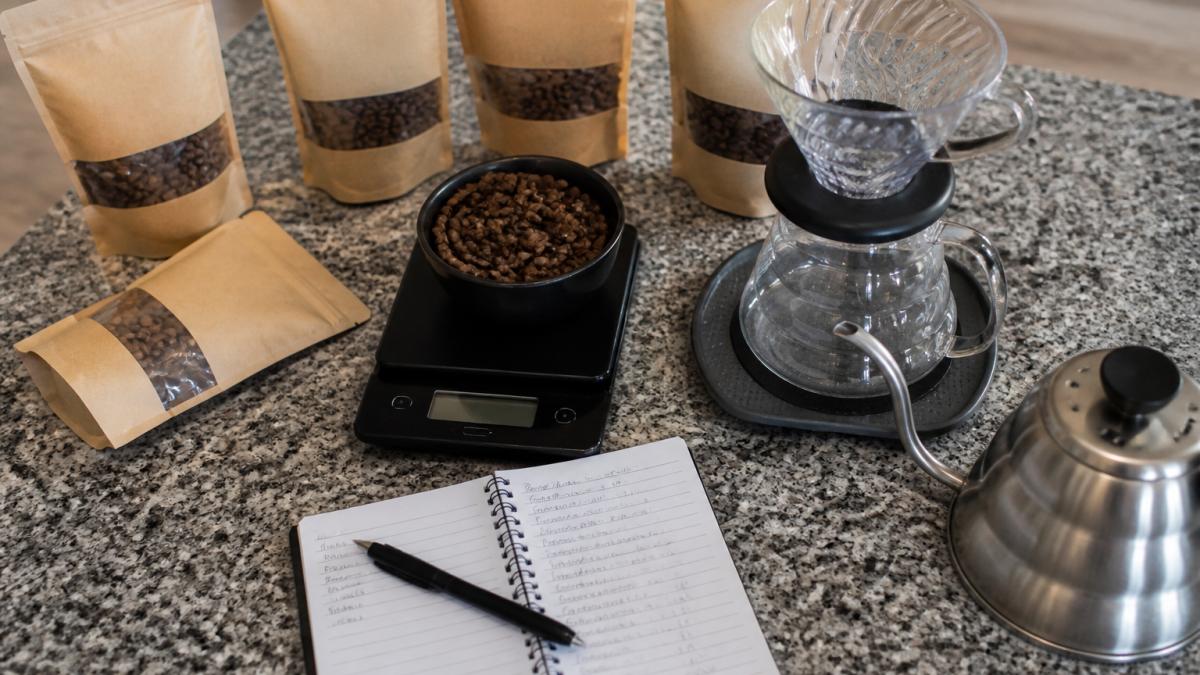
Coffee subscription boxes that ship soon after roasting and provide the roast date offer a fresh experience.
For anyone testing the waters, sample packs beat a full-size commitment. Our Best Coffee Sampler Packs bundle six 2oz packs spanning dark roast blends, medium roasts, and single-origin offerings, so you can compare roast levels and tasting notes side by side before committing to a monthly bag.

Single Origin Sample Pack - Favorites Coffee Sampler
If you already know you prefer clarity over body, start here. This six-pack covers Brazil Santos, Colombia, Costa Rica, Ethiopia, Honduras, and Tanzania. The Ethiopia brings milk chocolate, fruity, and caramel notes at a medium-light roast, while Honduras leans caramel, spice, and brown sugar at medium-dark. It is the fastest way to find out whether you are a light-roast drinker or a dark-roast drinker.
Flavored Coffee Sample Pack
Flavored coffee divides enthusiasts, and that is fine. This six-pack includes French Vanilla, Hazelnut, Cinnabun, Caramel, Mocha, and Cinnamon Hazelnut, all medium roast. Each starts as specialty grade single origin coffee roasted in small batches, then gets flavored while still warm. If your partner drinks flavored coffee and you drink single origin, this solves the two-preference problem. Again, $24.99.
Best Tea Subscription Boxes: What Tea Drinkers Should Expect
Tea subscription boxes often emphasize harvest year and leaf grade. Tea's freshness clock starts at harvest, and a sealed, well-stored lot can stay vibrant for many months while an opened tin of fannings may lose flavor in weeks. This difference can influence how you evaluate a tea box.
Here is what to check before subscribing:
- Harvest year printed on the package, not just a "best by" date. A 2026 spring flush and a 2024 lot can sit on the same shelf at the same price.
- Leaf grade stated (whole leaf, broken leaf, fannings, dust). Whole leaf gives you more control over strength and usually survives multiple steeps; fannings are what fill most grocery tea bags and extract fast and bitter.
- Herbal tea and decaf options listed separately from true teas (Camellia sinensis). Rooibos, peppermint, and chamomile are not tea in the botanical sense, and a box that lumps them together is usually not curating carefully.
Loose-leaf versus tea bags in a subscription context
Loose leaf tea allows for adjustment of the leaf-to-water ratio, and whole-leaf teas can often be steeped multiple times from the same scoop. This can impact the cost per cup. Tea bags offer convenience and cleanup, and some premium bagged subscriptions use whole-leaf sachets.
What a tea box actually costs per cup
Tea subscriptions vary in price depending on leaf grade and origin. To judge value, consider dividing the box price by the number of servings, and then by the number of steeps you realistically get.
Tea subscriptions can be suitable for evening rituals, lower-caffeine routines, and those seeking variety. Coffee subscriptions can be ideal for morning volume and consistency. Many households enjoy both.
Coffee Subscription Cost: Breaking Down the Real Price Per Cup
Coffee subscription cost is the number most reviews get wrong. They quote the monthly fee and stop there. The useful number is total landed cost per cup, and it has four parts: the box price, shipping, any sales tax, and the number of cups you actually brew before the coffee goes stale.
Step 1: Cups per bag
A 2 oz sample gives you roughly two to three cups depending on method. A standard 12 oz bag brewed at a typical ratio yields somewhere in the range of sixteen to twenty cups. A 1 lb bag roughly doubles that. Your brew method can influence the number of cups you get from a bag: a pour-over or drip at a 1:16 ratio may use more coffee per cup than a moka pot or espresso shot, meaning the same bag can yield different amounts in different kitchens.
Step 2: Add shipping and tax
This is where subscription math separates from grocery math. Many coffee subscriptions charge flat-rate or free shipping above a threshold, but some add a per-box fee that can run several dollars. Sales tax may apply depending on the state and seller's nexus. A $20 box with $5 shipping and tax is not a $20 box. Divide the landed total by your cups-per-bag figure, not the sticker price.
Best Coffee Sampler Packs: 2oz Coffee Sample Pack with 6Bean, Cowboy →
Step 3: Check the commitment and cancellation terms
A low per-box price often hides a minimum commitment. Common patterns include:
- Month-to-month with cancel-anytime (the most flexible)
- Three-, six-, or twelve-month prepay with a discount (cheaper per box, harder to exit)
- Auto-renewing plans that require notice before the next billing date
- Restocking or cancellation fees on prepaid plans
Read the cancellation clause before you enter payment info. A plan you cannot pause is a plan that keeps charging you while your pantry fills up.
Step 4: Compare coffee against tea on the same basis
This is the comparison most roundups skip. Put both categories on a per-cup basis:
| Cost factor | Coffee subscription | Tea subscription |
|---|---|---|
| Typical serving size | 0.6-1.0 oz ground per 8 oz cup | 2-3 g leaf per 8 oz cup |
| Cups per shipment | ~16-20 per 12 oz bag | ~20-40 per box, more with re-steeps |
| Shipping | Often flat-rate or free over threshold | Often included or flat-rate |
| Commitment | Frequently month-to-month | Frequently month-to-month |
| Caffeine per 8 oz | ~95 mg | ~30-70 mg, or 0 mg herbal |
On a pure per-cup basis, tea can often be more economical, partly due to smaller serving sizes and the potential for re-steeping whole leaf. Coffee often provides more caffeine per cup and faster preparation. Both solve different problems, and the choice depends on individual preferences.
Freshly Roasted Coffee Delivery: How to Verify Freshness Before You Buy
Freshly roasted coffee delivery only means something if the roaster ships close to the roast date. There is no regulation forcing a roaster to print one, so verification is on you.
Ask these questions before you subscribe:
- Is the roast date printed on the bag, not just a lot code?
- Does the roaster roast to order or hold inventory?
- What is the typical gap between roast and ship?
- Can you pause a delivery if your stash runs long?
Roasting to order removes the inventory problem entirely. For broader context on freshness standards, the Specialty Coffee Association's guidance on green and roasted coffee is a useful reference point, and the U.S. Department of Agriculture's coffee market reporting tracks how supply moves through the chain.
Tea vs Coffee Subscriptions: Which One Fits Your Morning Routine?
Tea and coffee subscriptions solve different problems, and the honest answer is that many people should not choose between them.
| Factor | Coffee Subscription | Tea Subscription |
|---|---|---|
| Peak freshness window | Weeks after roast | Months after harvest, if sealed well |
| Caffeine control | Harder to dial down | Easier with herbal and decaf |
| Cost per serving | Varies widely by brew method | Often lower per cup, multiple steeps |
| Ritual fit | Fast morning routine | Slower, longer sessions |
| Best for | Volume drinkers | Variety and evening drinkers |
Coffee drinkers tend to value speed and consistency. Tea drinkers tend to value variety and a slower pace. If you work from home and drink three cups before noon, coffee wins on value. If you want one thoughtful cup in the afternoon, tea wins.
Conclusion: Choosing the Right Tea and Coffee Subscription Box
Finding a subscription that ships fresh, prices transparently per cup, and offers flexible delivery options can be challenging.
We built The Last Sip Coffee Roasters around the opposite approach: roasted to order, carefully sourced beans, fast reliable delivery, and a simple ordering process with no inventory sitting around. Start with one of our $24.99 sample packs, find the roast level and flavor profile you actually reach for, then build your subscription from there.
Frequently Asked Questions
Are tea subscription boxes worth it?
They can be, if you drink tea often enough to finish each delivery before the next one arrives. The value comes from curated selection and tasting variety, not from saving money per bag. Compare the cost per serving against what you pay at a grocery store, then factor in whether you would actually try those blends on your own. If you drink two or more cups a day, a monthly subscription usually earns its place.
How do tea and coffee subscription boxes compare?
Coffee subscriptions live or die by roast date, since whole beans fade within weeks of roasting. Tea subscriptions lean on leaf grade and blend variety, and many teas hold their character longer than coffee does. Pick based on which drink you finish first each week.
How much do tea and coffee subscription boxes typically cost?
Sample packs from The Last Sip Coffee Roasters cost $24.99 for six 2oz bags, which works out to roughly 12 ounces of coffee total. That is a low-commitment way to test roast levels and flavor profiles before committing to a recurring plan. Always calculate cost per serving, not just the sticker price.
Can you choose the coffee or tea varieties in a subscription box?
Some services let you pick specific roasts or blends, while others send a rotating curated selection. The Last Sip Coffee Roasters sampler packs are fixed: the Best Sellers pack includes 6Bean, Cowboy, Breakfast, Peru, Mexico, and Bali, and substitutions are not available. If control matters to you, look for a service with preference matching or a build-your-own option. If discovery matters more, a fixed sampler works fine.
What should I look for in a coffee subscription?
Check four things: roast date transparency, shipping speed, cancellation policy, and cost per serving. A roaster that ships within days of roasting gives you a noticeably better cup than one shipping warehouse stock. The Last Sip Coffee Roasters roasts every batch to order, which shortens the gap between roast and doorstep. Also confirm you can skip a delivery or cancel without a fee before you commit.