
Table of Contents
- Why Subscription Coffee Services Are Booming in 2026
- The Freshness Factor: Roast-to-Order vs. Grocery Store Shelf
- Coffee Subscription Cost Comparison: Per Cup vs. Cafe Prices
- How to Choose a Coffee Subscription That Matches Your Taste
- Flexible Scheduling and Customization: The Best Coffee Subscription for Hybrid Workers
- Waste Less, Enjoy More: Avoiding Subscription Fatigue
- Your Next Step: Start With a Sample Pack
- Frequently Asked Questions
Last Updated: September 5, 2026
Why Subscription Coffee Services Are Booming in 2026
The question of whether the benefits of subscription coffee services 2026 justify the recurring cost is one that more home brewers are answering with a definitive yes. At The Last Sip Coffee Roasters, we see daily that the modern coffee drinker no longer wants to settle for a bag of beans that has been sitting on a distribution center shelf for months. A subscription coffee model shifts the entire experience from a commodity purchase to a ritual built around peak freshness and personal taste.
Most guides treat coffee subscriptions as a simple convenience play, but the real value is hidden in the logistics of bean freshness. Coffee is a perishable agricultural product, and its flavor compounds begin degrading rapidly after roasting. By the time grocery store coffee reaches your grinder, it has often lost the volatile oils and aromatics that define a great cup. This is why roast-to-order services have moved from a niche luxury to a mainstream expectation for anyone serious about their morning brew.
Below, we will break down the actual cost per cup, how to match a service to your palate, and the scheduling flexibility that makes delivery work for hybrid work-from-home routines. The five areas we cover have helped customers transition from stale store-bought coffee to a consistent, cafe-quality experience at home.
The Freshness Factor: Roast-to-Order vs. Grocery Store Shelf
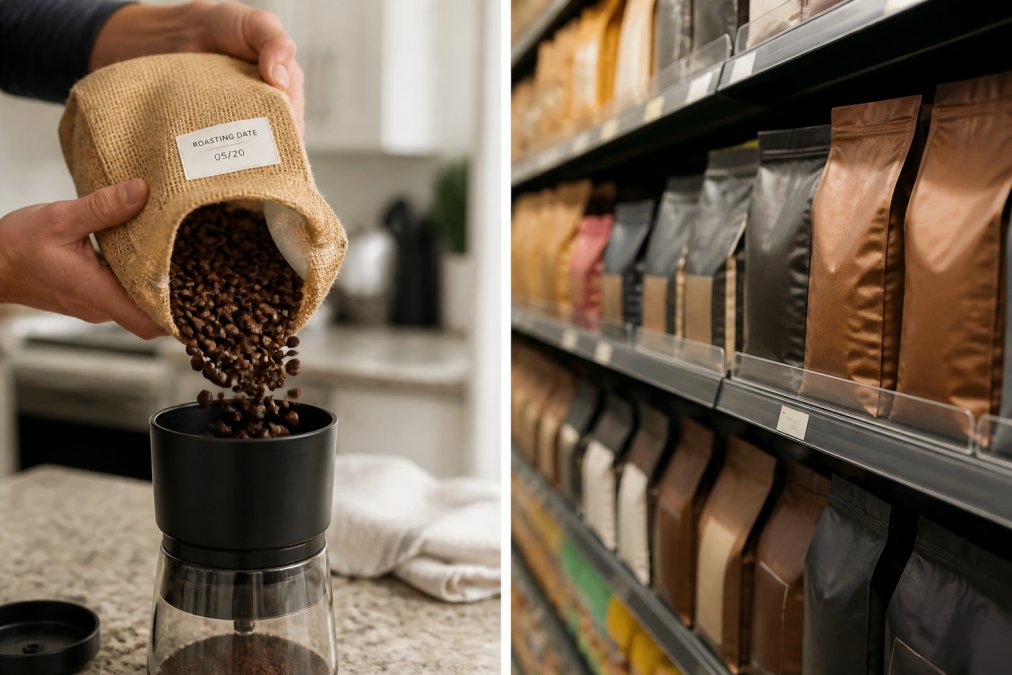
Roast-to-order coffee is the single biggest advantage a subscription service holds over retail shelves. When a roaster only ships beans after an order is placed, the coffee arrives at your door within days of reaching its peak flavor, rather than weeks or months after.
Grocery store coffee faces a brutal supply chain. Beans are roasted, packed, shipped to a distributor, sent to a warehouse, and finally stocked on a shelf where they may wait for a shopper. Industry consensus holds that coffee is best consumed within a few weeks of its roasting date, a window that retail inventory almost always misses (ncausa.org). With a subscription, the roasting date is printed on the bag, and you control when the next batch arrives, so you are always brewing inside that peak window.
The practical difference is immediately obvious in the cup. Stale beans produce a flat, hollow taste with muted aromatics, while freshly roasted beans bloom dramatically when they hit hot water, releasing carbon dioxide and a dense, sweet crema. For those who have only ever known supermarket coffee, the first cup from a fresh roast is often a revelation.
Coffee Subscription Cost Comparison: Per Cup vs. Cafe Prices
The financial argument for a subscription coffee service becomes clear when you calculate the cost per cup against your local cafe. A typical specialty cafe drink costs several dollars, and for a remote worker buying one every morning, that expense adds up quickly.
At home, the math changes dramatically. A standard 12-ounce bag of specialty coffee yields roughly 20 to 25 cups, depending on your brew strength. When you compare the price of a premium, freshly roasted bag to the price of a single latte, the savings are substantial. You are paying a fraction of the cafe price for beans that are often higher quality than what many shops use.
Here is a realistic breakdown of the cost per cup comparison:
| Brewing Method | Cost per Cup (Home Subscription) | Cost per Cup (Cafe) | Daily Savings |
|---|---|---|---|
| Drip / Pour-Over | ~$0.85 - $1.10 | ~$3.50 - $4.50 | ~$2.50 - $3.50 |
| Espresso (Single Shot) | ~$0.70 - $0.90 | ~$3.00 - $4.00 | ~$2.00 - $3.00 |
| Single-Serve Capsule | ~$0.85 - $1.00 | ~$4.00 - $5.00 | ~$3.00 - $4.00 |
The value proposition extends beyond the raw price per cup. A subscription eliminates the impulse purchase of pastries or a second drink while you are standing in line. It also removes the cost of the commute to the cafe, which for many hybrid workers is the true hidden expense. This is why a National Coffee Association consumer trend report highlights the sustained shift toward home brewing as a primary cost-saving behavior among daily drinkers.
How to Choose a Coffee Subscription That Matches Your Taste
Choosing a coffee subscription does not have to be a gamble, but it does require knowing your preferences before you commit. The most common mistake is signing up for a large bag of an unfamiliar roast based on a vague description, only to find it does not suit your palate or your brewing setup.
Start by identifying your preferred roast level and flavor profile. Do you gravitate toward the dark, smoky notes of a French roast, or the bright, fruity acidity of a light single origin? Your brewing method also dictates your choice. Espresso drinkers often prefer darker blends that cut through milk, while pour-over enthusiasts typically favor lighter roasts that highlight delicate tasting notes.
The safest approach is to begin with a curated sample pack rather than a full commitment. This is where a service like our Best Coffee Sampler Packs at The Last Sip Coffee Roasters shines. For a one-time cost of $24.99, you can try six different 2oz coffees, ranging from a dark roast espresso house blend to single origins from Peru, Mexico, and Bali. This lets you compare roast profiles and tasting notes side by side without wasting money on a full bag you might not enjoy.

A guide from the Specialty Coffee Association on selecting beans recommends focusing on the tasting notes and origin characteristics that appeal to you, rather than just the roast level. By testing a variety pack first, you build a personal flavor map that makes your next full-size subscription decision easy and reliable.
Flexible Scheduling and Customization: The Best Coffee Subscription for Hybrid Workers
The best coffee subscription for hybrid workers is one that bends to an unpredictable schedule, not the other way around. A rigid monthly delivery assumes a constant consumption rate, which rarely matches the reality of someone who drinks two cups a day during the workweek but travels or works from a cafe on other days.
Subscription fatigue often starts with inventory buildup. If you are a light to moderate drinker, a standard monthly 12-ounce bag might arrive faster than you can finish it, leaving stale coffee on your counter. The fix is flexible scheduling. Look for a service that lets you adjust the delivery frequency, skip a shipment, or pause your subscription entirely when you are stocked up.
For households with two different preferences, customization is just as critical as scheduling. You should not have to compromise on a single blend. A service that allows you to rotate between different origins or keep separate subscriptions for different drinkers ensures everyone gets the cup they want. This is particularly valuable for hybrid workers who have traded the office coffee machine for a home setup and expect variety.
If you are unsure how much you actually consume, track your usage for two weeks before setting a delivery cadence. Most people find they use between half a pound and a full pound per week. Starting with a smaller, more frequent delivery of whole bean coffee prevents waste and guarantees you are always grinding beans at their peak, which matters more than any other variable in your cup.
Waste Less, Enjoy More: Avoiding Subscription Fatigue
Subscription fatigue is real, but it is almost always a problem of logistics, not of the coffee itself. The moment a delivery becomes a chore or a source of guilt about waste, the ritual loses its appeal. The solution is to design your subscription around your actual habits, not an idealized version of them.
One effective strategy is to alternate between whole bean and pre-ground based on your week. On busy mornings, having a pre-ground option or a single-serve capsule can save you time without sacrificing the quality of your ritual. For slower weekends, grinding whole beans for a French press or pour-over becomes a deliberate, enjoyable act.
Another way to keep the experience fresh is to use your subscription to explore rather than to stock up. Instead of ordering the same bag every time, use a service that offers a curated selection or limited-edition single origins. This turns each delivery into an opportunity to discover a new tasting profile, which keeps the morning ritual engaging.
A practical approach to managing waste is to keep a small rotation of coffees on hand. Store your current bag in an airtight container away from light and heat, and keep your backup bag in the freezer only if you plan to use it within a few weeks. This prevents the "stale backup bag" problem that plagues many subscribers. By treating your subscription as a pipeline of fresh coffee rather than a storage problem, you ensure that every cup you brew delivers the maximum flavor and aroma the roaster intended.
Your Next Step: Start With a Sample Pack
Committing to a full-pound bag of an untested coffee is a leap of faith that often ends in disappointment. The smarter path is to start with a sample pack, which lets you evaluate a roaster's quality, roast profiles, and consistency before you set up a recurring delivery.

At The Last Sip Coffee Roasters, we recommend beginning with our Single Origin Sample Pack - Favorites Coffee Sampler or the Flavored Coffee Sample Pack, both available for $24.99. These curated selections of six 2oz packs are designed to help you compare different origins, tasting notes, and roast levels. You can taste the difference between a Brazilian coffee with cocoa notes and an Ethiopian with fruity, floral characteristics, and you will quickly learn which profiles align with your palate.

This trial period is also your chance to evaluate the logistics that matter for a long-term subscription. Pay attention to how quickly the coffee arrives after the roasting date. Assess the packaging and the clarity of the flavor information. A roaster that is transparent about the grower, region, and process is one that cares about quality from seed to cup.
Once you have found your favorites, you can confidently choose a full-size bag or set up a recurring delivery that matches your consumption rate. The transition from casual buyer to informed subscriber is seamless when you know exactly what you are getting. Explore the full range of freshly roasted coffee and single origin options at The Last Sip Coffee Roasters to find the beans that will make your daily ritual something to savor.
Choosing the right coffee subscription comes down to understanding your taste preferences and your consumption habits, not just picking the most popular brand. Start with a sample pack to discover the roast profiles and origins you love, then build a flexible delivery schedule that keeps your beans fresh without creating waste. The Last Sip Coffee Roasters makes this easy with roast-to-order batches, carefully sourced single origin beans, and fast, reliable delivery that puts maximum flavor in every cup. Get started with a sample pack and find the coffee that turns your morning routine into a meaningful moment.
Frequently Asked Questions
Is a coffee subscription worth it in 2026?
For most daily drinkers, yes. If you buy a $5 latte five times a week, that's about $100 a month. A premium subscription coffee service costs roughly $20 to $60 per month for a 12-ounce bag or a multi-pack, depending on the plan. You get freshly roasted beans and a lower cost per cup. The value is clear if you prioritize flavor and want to avoid the markup of cafe drinks.
How do coffee subscriptions save money compared to grocery store purchases?
Grocery store coffee often sits in a warehouse and on a shelf for months before you buy it, losing aroma. Subscription coffee is typically roasted to order and shipped within days. While the upfront price per bag can be higher, you avoid waste from stale beans you throw away. Plus, the cost per cup is still far below a cafe, making it a smart trade for better flavor.
Can a subscription coffee service help me discover new flavor profiles?
Absolutely. A curated selection from a sampler pack is the easiest way to explore. Look for a service that offers single-origin coffees from regions like Peru or Bali alongside house blends. Trying 2-ounce samples lets you compare tasting notes like dark chocolate, citrus, or caramel before committing to a full bag. It turns your morning ritual into a tasting experience.
What should I look for in a coffee subscription service in 2026?
Prioritize a roasting date on the bag, flexible delivery frequency, and the option to pause or skip shipments. If you work from home, look for a service that offers smaller, more frequent deliveries so your beans stay fresh. Also, check if they offer both whole bean and pre-ground options to match your brewing method, whether you use a drip machine or a French press.
This article was written using GrandRanker