
Table of Contents
- Why Buy Freshly Roasted Coffee Beans Online
- Understanding Coffee Roast Date Importance
- Single-Origin vs. Blends: What to Choose
- Top Freshly Roasted Coffee Options to Buy Online
- How to Store Coffee Beans for Maximum Freshness
- How to Tell if Coffee Beans Are Stale
- Subscription vs. One-Time Orders
- What Makes Roast-to-Order Coffee Different
- Frequently Asked Questions
Last Updated: September 4, 2026
Why Buy Freshly Roasted Coffee Beans Online
The single biggest difference between a memorable cup and a forgettable one is the roast date, not the origin or the price tag. When you buy freshly roasted coffee beans online, you gain access to beans that were roasted days ago, not months ago, which preserves the volatile oils and aromatic compounds that create flavor. At The Last Sip Coffee Roasters, we roast every batch to order and ship it directly, so the beans you brew are at their peak. Most grocery store coffee sits in warehouses and on shelves for weeks or months after roasting, losing the character that specialty coffee drinkers chase. The solution is simple: order from a roaster who prioritizes freshness over inventory.
Below, we’ll show you exactly how to evaluate roast dates, choose between single-origin and blends, store your beans properly, and spot staleness before it ruins your morning. But first, here’s what most guides get wrong: they focus on bean origin and processing method, when the roast date is actually the single most important factor in how your coffee tastes. Coffee is a perishable product, and understanding its shelf life transforms how you shop.
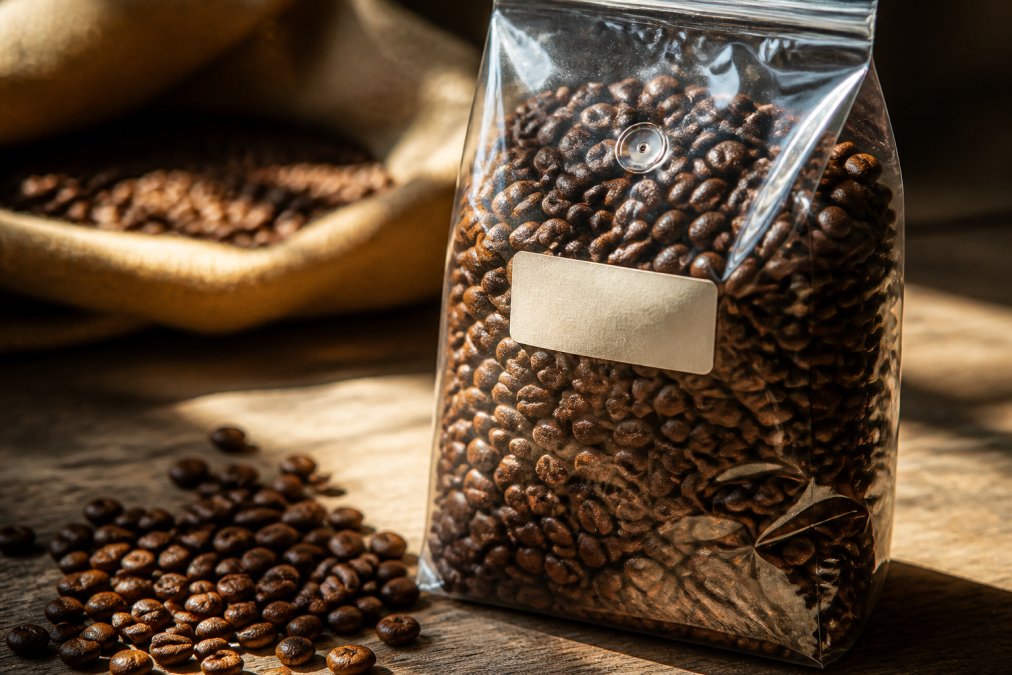
Understanding Coffee Roast Date Importance
Coffee roast date importance comes down to one concept: degassing. After roasting, coffee beans release carbon dioxide for several days, and the flavor compounds develop and peak between 4 and 14 days post-roast. Coffee roast date importance is why serious drinkers check the bag before they check the origin.
- Days 1-3: Beans are still degassing; the cup can taste slightly uneven or baked.
- Days 4-14: The sweet spot. Flavors are fully developed, aromatic, and balanced.
- Days 15-30: Flavor declines gradually; beans become flat and lose complexity.
- After 30 days: Most of the volatile compounds have dissipated; the coffee tastes stale.
A roast date is your freshness guarantee. If a bag doesn’t show one, the roaster is likely hiding something. Reputable online roasters print the date on every bag, and many, including The Last Sip Coffee Roasters, roast only after you place your order. This roast-to-order model means your beans are never sitting in a warehouse.
Single-Origin vs. Blends: What to Choose
Your choice between single-origin and blended coffee depends entirely on what you value in a cup. Single-origin coffees showcase the distinct character of one farm or region, offering tasting notes shaped by altitude, soil, and processing method. Blends combine beans from multiple regions to create a consistent, balanced profile that tastes the same every time you brew.
Choose single-origin when you want to:
- Explore flavor profiles like dried orange, berry, chocolate, or honey
- Experience how altitude and volcanic soil change the cup
- Appreciate the nuances of washed, natural, or honey processes
Choose a blend when you want:
- A dependable, smooth cup for daily drinking
- An easy-drinking breakfast coffee with a mellow finish
- A versatile bean that works across brewing methods
For most home brewers, keeping both on hand makes sense. A blend handles your weekday routine, while single-origin bags turn weekends into a tasting session. The Last Sip Coffee Roasters offers a house blend of Central and South American coffees that delivers nutty, sweet chocolate notes with a clean finish, plus single-origin options from Brazil, Colombia, Costa Rica, and beyond for when you want to explore a specific region.

Top Freshly Roasted Coffee Options to Buy Online
When you buy freshly roasted coffee beans online, the roaster’s sourcing and roasting practices matter as much as the bean itself. Every option below comes from The Last Sip Coffee Roasters, roasted to order in 16 oz bags of 100% arabica beans, with fast, reliable delivery so freshness survives the trip.
House Blend and Breakfast Blend for Everyday Drinking
The House Blend Coffee is a medium roast of select coffees from Central and South America. It offers a medium body with tasting notes of nutty, sweet chocolate, mild citrus, and a clean bright finish. The beans are both natural/dry processed and wet mill washed/sun dried, techniques that are friendly to the environment and the high-elevation regions where they grow.
The Medium Roast Breakfast Blend Coffee is crafted for an easy-drinking profile with a smooth, balanced cup and a mellow finish. Sourced from South America, this 100% arabica blend is ideal for your morning routine, especially if you prefer a coffee that doesn’t overwhelm the palate.

Single-Origin Coffees from Central and South America
For drinkers who want to taste a specific region, single-origin coffees from The Last Sip Coffee Roasters deliver distinct profiles. The Colombia Medium Roast Coffee from smallholder farmers in Medellin offers dried orange, berry, and chocolate notes, grown at 1300-1500 meters in volcanic loam and fully washed. The Guatemala Coffee Beans from Antigua feature dark chocolate, bright fruit, and butterscotch with citrus-like acidity, thanks to Bourbon, Catuai, and Typica varieties grown at high altitude.
The Costa Rica Medium Roast Coffee from micro farms in Alajuela brings sweet apple, raisin, and honey notes, processed eco-pulped and sun dried. The Single Origin Mexico Coffee from Chiapas and Oaxaca layers chocolate, cinnamon, and green apple over a balanced medium body. For a lower-acidity option, the Peruvian Coffee from Piura and Amazonas offers salted caramel, silky sweetness, and citrus brightness.
Single-Origin Coffees from Beyond the Americas
Venturing beyond the Americas opens up different flavor territories. The Brazil Santos Coffee from Fazenda Santa Barbara offers an elegant, smooth cup with cocoa notes, grown in volcanic loam at 750-1050 meters and pulped natural. The Nicaragua Coffee Beans from Molino Norte in Matagalpa deliver cocoa, floral, and citrus tones with a fully washed process.
For something truly distinctive, the Papua New Guinea Coffee from small agricultural cooperatives in Chimbu Province presents caramel, honey, and fruit notes. Grown at 1350 meters in volcanic loam with Bourbon and Typica varieties, this coffee highlights the character of smallholder farms in a region that produces less than 1% of the world’s coffee. Each of these single-origin offerings is roasted to a medium level, preserving the origin’s character while delivering a smooth, approachable cup.
| Coffee Option | Region | Tasting Notes | Process | Best For |
|---|---|---|---|---|
| House Blend | Central & South America | Nutty, sweet chocolate, citrus | Natural & washed | Daily balanced cup |
| Breakfast Blend | South America | Smooth, mellow | Blend | Morning routine |
| Colombia | Medellin, Colombia | Dried orange, berry, chocolate | Fully washed | Bright, fruity cups |
| Guatemala | Antigua, Guatemala | Dark chocolate, butterscotch | Fully washed | Complex, chocolate-forward |
| Brazil Santos | Parana & Sao Paulo, Brazil | Cocoa, smooth | Pulped natural | Versatile everyday brewing |
| Papua New Guinea | Chimbu Province, PNG | Caramel, honey, fruit | Fully washed | Exploring rare origins |
How to Store Coffee Beans for Maximum Freshness
How to store coffee beans for maximum freshness starts with understanding what damages them: oxygen, light, heat, and moisture. Whole bean coffee stays fresh longer than pre-ground because grinding increases surface area and accelerates oxidation. For maximum freshness, keep beans in an airtight, opaque container at room temperature, away from direct sunlight and your stove.
- Use the original bag with a one-way valve, or transfer to an airtight ceramic or glass jar
- Store in a cool, dark cupboard, not on the counter near heat
- Buy whole bean and grind just before brewing
- Never refrigerate or freeze beans you use daily; condensation introduces moisture
The shelf life of roasted coffee is roughly 4 to 6 weeks from the roast date, but the flavor peaks well before that. If you buy a 16 oz bag and brew about half a pound per week, you’ll finish it within the optimal window. Ordering smaller quantities more frequently beats stocking up.
How to Tell if Coffee Beans Are Stale
Stale coffee beans are easy to spot once you know what to look for. The first sign is aroma: fresh beans smell intensely fragrant, while stale beans smell flat, musty, or even like cardboard. The second sign is crema, the golden foam on top of an espresso shot. Fresh beans produce a thick, persistent crema; stale beans produce a thin, watery layer that disappears quickly.
- Smell: Fresh beans have a strong, sweet, floral, or fruity aroma. Stale beans smell dull or dusty.
- Visual: Fresh beans have a glossy, oily sheen (especially medium and dark roasts). Stale beans look dry and matte.
- Taste: Fresh coffee tastes vibrant with clear tasting notes. Stale coffee tastes bitter, flat, or sour with no complexity.
- Crema: Fresh espresso produces thick, golden crema. Stale beans produce thin, pale crema.
If your beans fail these tests, don’t force your way through the bag. Stale coffee won’t hurt you, but it won’t deliver the flavor profile you paid for. The most reliable way to avoid staleness is to buy from a roaster that ships beans within days of roasting, so you always start from a fresh baseline.
Subscription vs. One-Time Orders
Deciding between a coffee subscription and one-time orders comes down to your consumption habits and your desire for variety. A subscription works well if you drink coffee daily and want a consistent supply without reordering. One-time orders suit drinkers who alternate between different origins or who go through coffee slowly.
| Order Type | Best For | Frequency | Flexibility |
|---|---|---|---|
| One-time order | Trying new origins | As needed | Full control |
| Subscription | Daily drinkers | Every 2-4 weeks | Set and forget |
If you work from home and go through roughly half a pound per week, a 16 oz bag every two weeks keeps you in the freshness window without waste. If you split your coffee drinking with a partner who prefers a different roast, one-time orders let you customize each bag rather than committing to a single blend. Many roasters, including The Last Sip Coffee Roasters, make it simple to order individual bags or set up recurring delivery, so you can match the approach to your routine. The key is matching your order size to your brewing frequency, so beans never sit past their prime.
What Makes Roast-to-Order Coffee Different
Roast-to-order coffee is the opposite of the mass-market model, where beans are roasted in huge batches and distributed to stores over weeks or months. When you buy freshly roasted coffee beans online from a roast-to-order roaster, your beans are roasted only after you place your order, then shipped directly to your door. This model eliminates the gap between roasting and brewing that degrades flavor.
The practical difference shows up in the cup. Roast-to-order beans arrive within days of roasting, hitting their peak flavor window right as you open the bag. Mass-market beans may already be a month old by the time they reach the shelf. The environmental angle matters too: shipping directly to consumers in properly sealed bags reduces the carbon footprint of multiple warehouse transfers, and roast-to-order eliminates the waste of unsold inventory. According to research on coffee freshness and flavor degradation, the volatile compounds responsible for aroma begin dissipating within days of roasting, making the roast-to-order model the most reliable way to experience a coffee’s intended profile.
Specialty Coffee Association brewing and storage guidelines emphasize that coffee is best consumed within a few weeks of roasting, and National Coffee Association freshness resources recommend buying whole bean coffee in smaller quantities more frequently. These industry standards align with what roast-to-order roasters have practiced for years: freshness is not a luxury, it’s the baseline.
For most drinkers, the switch to roast-to-order changes more than the flavor. It changes how you think about coffee, from a commodity to a craft product with a shelf life. When you buy freshly roasted coffee beans online, you’re not just buying beans, you’re buying the roaster’s commitment to timing, sourcing, and quality control. That commitment is what separates a memorable morning cup from one you drink just for the caffeine.
Fresh coffee is a perishable product, and most drinkers never taste what it’s supposed to be because they’re brewing beans that peaked weeks ago. The Last Sip Coffee Roasters roasts every batch to order, sources 100% arabica beans from farms we know, and delivers fast so your coffee arrives in its prime. With carefully sourced single-origin coffees, balanced house blends, and a simple ordering process, you can enjoy a smooth, satisfying cup from the first sip to the last. Get started with The Last Sip Coffee Roasters and taste the difference a roast date makes.
Frequently Asked Questions
How do I know if coffee beans are freshly roasted when buying online?
Check the roast date on the package. Freshly roasted beans show a roast date within the past 1-2 weeks. Reputable online roasters print this date prominently on the bag. Avoid beans without a visible roast date, as this indicates older inventory. The aroma should also be vibrant and complex when you open the bag, stale coffee smells flat or musty.
What is the benefit of buying coffee roasted-to-order?
Roast-to-order coffee guarantees maximum freshness because beans are roasted after you place your order, not weeks or months in advance. This means the coffee reaches peak flavor when the beans have finished degassing and the tasting notes are most pronounced. You avoid the degradation that occurs in pre-roasted inventory sitting on shelves or in warehouses.
How long do freshly roasted coffee beans stay fresh?
Freshly roasted beans are best consumed within 2-4 weeks of the roast date, though they remain drinkable for 4-6 weeks if stored properly in an airtight container away from light and heat. Peak flavor occurs after roasting, once degassing is complete. After 6 weeks, the beans begin to lose aromatics and develop a stale taste, no matter the storage method.
Should I buy whole bean or ground coffee online?
Whole bean coffee stays fresh significantly longer than pre-ground coffee because grinding increases surface area and accelerates oxidation. If you're buying freshly roasted beans online, choose whole bean and grind at home just before brewing. This preserves the complex tasting notes and aroma that make specialty roasted coffee worth the investment. Ground coffee loses peak flavor within days.
This article was written using GrandRanker