
Table of Contents
- The Freshness Advantage of Small-Batch Roasting
- Benefits of Freshly Roasted Coffee for Flavor and Aroma
- Understanding Specialty Grade Coffee and Quality Standards
- Direct Trade and Ethical Sourcing in Small Roasters
- Sustainability and Environmental Impact
- How to Store Coffee Beans for Maximum Freshness
- Small Roasters vs. Commodity Coffee: What You're Actually Paying For
- Frequently Asked Questions
Last Updated: September 2, 2026
The Freshness Advantage of Small-Batch Roasting
The most compelling reason to buy coffee from small roasters is freshness. When a roaster roasts to order rather than stockpiling inventory, your beans reach peak flavor within days of roasting, not weeks or months. Coffee degrades rapidly after roasting as aromatic compounds break down immediately once the beans cool (peer-reviewed research).
Small-batch roasting creates a direct pipeline from roaster to your cup. At The Last Sip Coffee Roasters, every order is roasted fresh, meaning you're not competing with shelf space or warehouse time. The roast date printed on the bag is the single most important indicator of quality you can find.
Compare this to commodity coffee sitting in distribution warehouses for weeks before reaching retail shelves. By then, the aroma fades and acidity flattens. Small roasters eliminate this lag entirely, delivering beans at their peak.
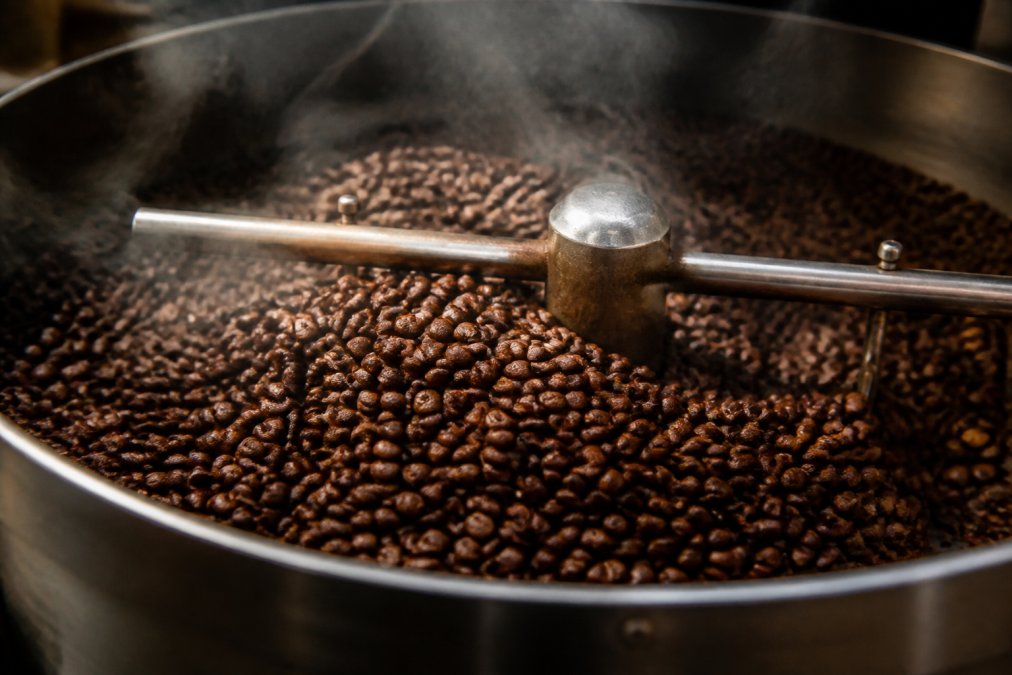
Fresh beans unlock the full flavor profile, the citrus notes in a Kenya single-origin, the chocolate undertones in a Brazilian blend, the floral complexity that makes specialty coffee worth seeking out. For someone working from home and consuming half a pound weekly, freshness is especially valuable. You're ordering small quantities on a schedule that matches your consumption, ensuring your beans arrive at their peak.

Benefits of Freshly Roasted Coffee for Flavor and Aroma
Freshly roasted coffee delivers flavor complexity that older beans cannot match. When you open a bag of freshly roasted coffee, you experience the full expression of the bean's origin. A freshly roasted single-origin Kenya coffee has bright acidity, citrus notes, and a floral finish. The same bean roasted two months ago tastes muted, with harsh acidity and missing floral notes.
Most specialty roasters recommend consuming coffee within two to four weeks of the roast date (sca.coffee). After that, the beans are still drinkable, but you're no longer tasting the roaster's work, you're tasting degradation. Small roasters understand this because they taste coffee constantly and know exactly how their beans perform at different ages.
The aroma of freshly roasted coffee is also a practical advantage. When you brew fresh beans, the aroma compounds fill your kitchen with a memorable sensory experience. Stale beans produce thin, flat aroma. Fresh beans produce something distinctive.
Understanding Specialty Grade Coffee and Quality Standards
Specialty grade coffee is defined by specific quality standards that separate it from commodity coffee. The Specialty Coffee Association establishes these standards: specialty-grade beans must score 80 points or higher on a 100-point scale during cupping, a formal tasting process conducted by trained professionals (sca.coffee).
Most coffee sold in supermarkets is commodity grade, scored below 80 and often never formally cupped. It's blended from multiple origins, often including lower-quality beans. Specialty-grade coffee is the opposite, each origin has a distinct flavor profile shaped by altitude, soil, climate, and processing method.
When a small roaster describes a bean as having "bright acidity" or "chocolate notes," they're describing measurable flavor compounds that emerge during cupping. These descriptions come from experience tasting hundreds of coffees at different roast levels.
| Quality Marker | Specialty Grade | Commodity Grade |
|---|---|---|
| Cupping Score | 80+ points | Below 80 points |
| Sourcing | Single-origin, traceable | Blended, origin unclear |
| Freshness Standard | Roasted to order | Stockpiled inventory |
| Flavor Profile | Distinctive, complex | Generic, consistent |
| Price Point | Premium | Budget |
Direct Trade and Ethical Sourcing in Small Roasters
Direct trade relationships fundamentally change the coffee supply chain. Instead of buying from commodity brokers, small roasters often work directly with farmers or farmer cooperatives, creating transparency and accountability at every step.
When a roaster sources through direct trade, they know exactly which farm grew the beans and often visit the farm to taste coffee at origin. This creates consistency and quality that commodity brokers cannot deliver. For the farmer, direct trade means better pricing and predictable income instead of selling to middlemen who take a cut.
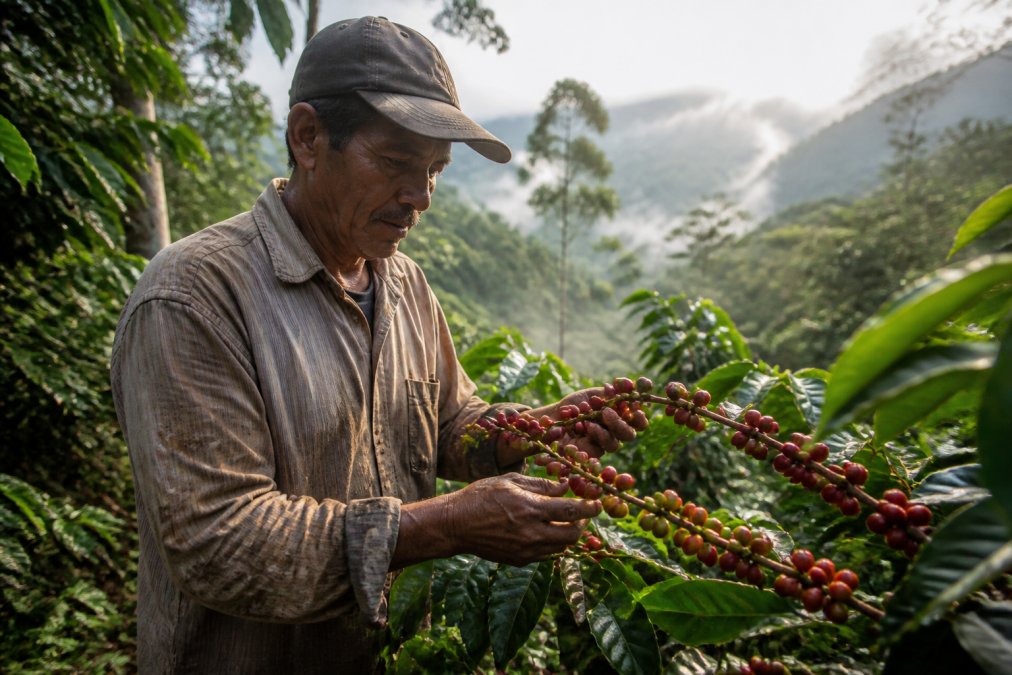
Supply chain transparency means you can trace your coffee back to its origin, the altitude where it grew, the processing method used, the harvest date. This information directly affects flavor. Ethical sourcing also means environmental stewardship at origin, as farmers incentivized to maintain long-term relationships with roasters invest in sustainable practices like shade-grown methods and soil health.
Sustainability and Environmental Impact
Small-batch roasting reduces waste compared to mass production. When a roaster roasts to order, there's no excess inventory aging in a warehouse. Every batch is roasted because it's been ordered.
Many small roasters use compostable or recyclable packaging designed for direct delivery to quality-conscious customers. The carbon footprint of direct trade coffee is typically lower than commodity coffee, with shorter supply chains moving beans from farm to roaster to customer rather than through multiple intermediaries.
Supporting small roasters also means supporting local economies. A small roaster is typically a local business employing local staff and reinvesting revenue into the community, rather than flowing through global supply chains controlled by multinational corporations.
How to Store Coffee Beans for Maximum Freshness
Proper storage preserves the freshness advantage of small-batch roasting. Coffee degrades through exposure to oxygen, light, heat, and moisture. The ideal container is airtight, opaque, and cool. Many roasters ship coffee in bags with one-way valves that allow CO2 to escape without letting oxygen back in.
Avoid the freezer for regular consumption. For weekly consumption, room temperature in an airtight container is ideal. Grind immediately before brewing, as ground coffee degrades much faster than whole beans due to increased surface area exposed to oxygen.
The roast date on your bag is your guide. If a roaster ships coffee that's already a week old, that's a red flag. The Last Sip Coffee Roasters roasts to order, meaning your beans are typically roasted within days of shipping.
Small Roasters vs. Commodity Coffee: What You're Actually Paying For
The price difference between specialty-grade small-roaster coffee and commodity coffee is significant. Understanding what you're paying for helps justify the investment.
First, you're paying for quality at origin. Specialty-grade beans cost more because they're rare and because direct relationships mean paying farmers fairly. Second, you're paying for freshness through more frequent, smaller batches. Third, you're paying for expertise, a small roaster has tasted hundreds of coffees and invested in equipment and training to roast beans to their full potential. Fourth, you're paying for accountability. If you don't like a coffee from a small roaster, you can contact them directly.
A bag of specialty coffee from The Last Sip Coffee Roasters costs around $19.99 and typically contains enough for 15-20 cups, roughly $1 to $1.33 per cup. Compare this to café coffee at $5-7 per cup, and the value becomes clear. For someone working from home, this math is compelling, you get café-quality coffee at home prices with the added benefit of freshness that even most cafés cannot match.
When you choose coffee from small roasters, you're choosing freshness, quality, and transparency over convenience and commodity pricing. The Last Sip Coffee Roasters delivers specialty-grade beans roasted to order, shipped directly to you, with the roast date guarantee that commodity coffee can never match. Start with the Single Origin Sample Pack - Favorites Coffee Sampler to experience the difference freshness makes, or explore signature blends like the Bourbon Barrel Aged Coffee for a distinctive flavor experience that mass-produced coffee simply cannot deliver.


Frequently Asked Questions
What are the benefits of buying coffee from small-batch roasters?
Small-batch roasters deliver fresher coffee with more complex flavor profiles because beans are roasted to order rather than sitting in inventory. You get superior aroma, brighter acidity, and more nuanced tasting notes. Small roasters also maintain tighter quality control, source directly from growers, and often support sustainable farming practices. The roast date transparency means you know exactly when your coffee was prepared, ensuring peak freshness when it arrives.
How does roast date affect the flavor of coffee?
Roast date is critical because coffee begins losing flavor compounds immediately after roasting. Coffee is at its peak within 2-4 weeks of the roast date, with optimal extraction and aroma. After 4 weeks, flavor degrades noticeably as oils oxidize and aromatics dissipate. Small roasters emphasize roast dates because they roast in smaller quantities frequently, ensuring your beans are weeks fresher than mass-produced coffee that may have been roasted months earlier and sat in warehouse inventory.
Is specialty coffee from small roasters worth the higher price?
Yes, when you factor in freshness, flavor complexity, and ethical sourcing. Specialty-grade beans cost more because they're hand-picked, processed with precision, and sourced directly from quality-focused growers. Small roasters invest in cupping and roast profiling to unlock each bean's unique character. The cost-per-cup is often comparable to café pricing for inferior coffee, and you're getting cafe-quality results at home. Plus, you're supporting sustainable farming and fair-trade relationships rather than commodity coffee chains.
How do small roasters source their beans differently than large brands?
Small roasters typically use direct trade relationships, buying directly from growers or importers who specialize in quality rather than volume. This creates transparency about origin, altitude, processing method, and harvest season. Large brands rely on commodity coffee markets where beans are pooled and quality is inconsistent. Small roasters can trace beans to specific regions, farms, and even micro-lots, allowing them to select for flavor profile and sustainability practices. This direct connection also ensures growers receive fair prices, supporting their communities and encouraging quality production.
This article was written using GrandRanker