
Table of Contents
- Why Trade Coffee Might Not Be the Freshest Option
- How to Tell If Coffee Beans Are Fresh
- Roast to Order Coffee Delivery: What to Look For
- Single-Origin Beans from The Last Sip Coffee Roasters
- Cost per Cup: Fresh Beans vs. Subscription Models
- Storage and Shelf-Life for Your Fresh Beans
- Is Cold Brew Coffee Better Than Iced Coffee?
- Frequently Asked Questions
Last Updated: September 27, 2026
Why Trade Coffee Might Not Be the Freshest Option
If you're hunting for a Trade Coffee alternative for fresh beans, it comes down to roast dates. Most subscription services roast in large batches, warehouse the bags, then ship when you order, and that gap is where flavor goes to die.
This guide from The Last Sip Coffee Roasters covers what makes beans fresh, how to read a roast date, why roast to order coffee delivery changes the math on cost per cup, and how to store beans well.
The core problem isn't that big subscription models are bad, they're built for logistics, not freshness.
How to Tell If Coffee Beans Are Fresh
Fresh coffee beans show three signals: a roast date within the last two weeks, a strong aroma when you open the bag, and a slight sheen of oils on medium and dark roasts.

- Roast date, not best-by date. Roasters who stand behind freshness print the roast day.
- Whole bean over ground. Ground coffee loses its aromatics within days; whole bean holds far longer.
- Smell the bag. Fresh beans smell sweet and complex. Stale beans smell flat or papery.
- Check the valve. A one-way degassing valve means the roaster expects CO2 release, a good sign.
Roast to Order Coffee Delivery: What to Look For
Roast to order coffee delivery means the roaster waits until your order lands, then roasts and ships within days, the opposite of the warehouse model. The difference shows up in the cup, but only if you check the right markers.
When you're comparing services, look for these markers:
| What to Check | Why It Matters | Red Flag |
|---|---|---|
| Roast date on bag | Confirms actual freshness | No date printed |
| Ship time after roast | Shorter is fresher | Ships weeks later |
| Whole bean option | Preserves aroma | Ground only |
| Delivery frequency | Matches your pace | One-size-fits-all |
| Pause or cancel terms | Avoids waste | Locked-in contracts |
| Reduces dud bags | ||
| Keeps the rotation interesting | ||
| Lets you right-size to your pace | ||
| Shipping cost structure | Changes your real cost per cup | Flat fees on small orders |
| Matches beans to your brewer |
How Subscription Mechanics Actually Work
Most roast-to-order services run on one of three models:
- Pure subscription. You pick a cadence (weekly, biweekly, monthly) and a bag size, and the roaster ships on schedule. Best for a steady daily habit.
- On-demand ordering. No recurring charge. You order when you're low, and the roaster roasts and ships. Best for variable consumption or rotating roasters.
- Hybrid. A subscription with skip, pause, and swap controls. Most common among roast-to-order roasters because it solves waste without losing recurring revenue.
Customization and Taste Matching
If a service doesn't ask about brew method, it can't match beans to your equipment: espresso wants a different roast profile than pour-over, and cold brew wants a coarser grind and a darker, chocolate-forward bean.
Shipping Frequency and Flexibility
If a service won't let you skip, pause, or change bag size without canceling, you'll end up with a shelf of aging beans. Flexibility is the biggest predictor of whether a subscription saves you money.
Cancellation and Pause Policies
Locked-in contracts and phone-only cancellations are red flags, a service optimized for retention, not freshness.
Sustainability and Sourcing
Roast-to-order models reduce warehouse waste, but sourcing still matters. Look for roasters who publish the farm, cooperative, or region, and name the processing method (washed, natural, honey, eco-pulped).
Single-Origin Beans from The Last Sip Coffee Roasters
Single-origin beans come from one growing region, so the cup reflects that place rather than a blend engineered for consistency. If you want to taste what freshness and origin do, single-origin is where the difference shows.
- Brazil Santos Coffee ($19.99): smooth and full-bodied with cocoa notes and a pleasant aroma. Versatile for drip, Chemex, French press, or whole bean brewing.
- Colombia Medium Roast ($19.99): dried orange, berry, and chocolate notes from smallholder farmers in Medellin, fully washed for a clean cup.
- Costa Rica Medium Roast ($19.99): sweet apple, raisin, and honey from micro farms in Alajuela, eco-pulped and sun dried.
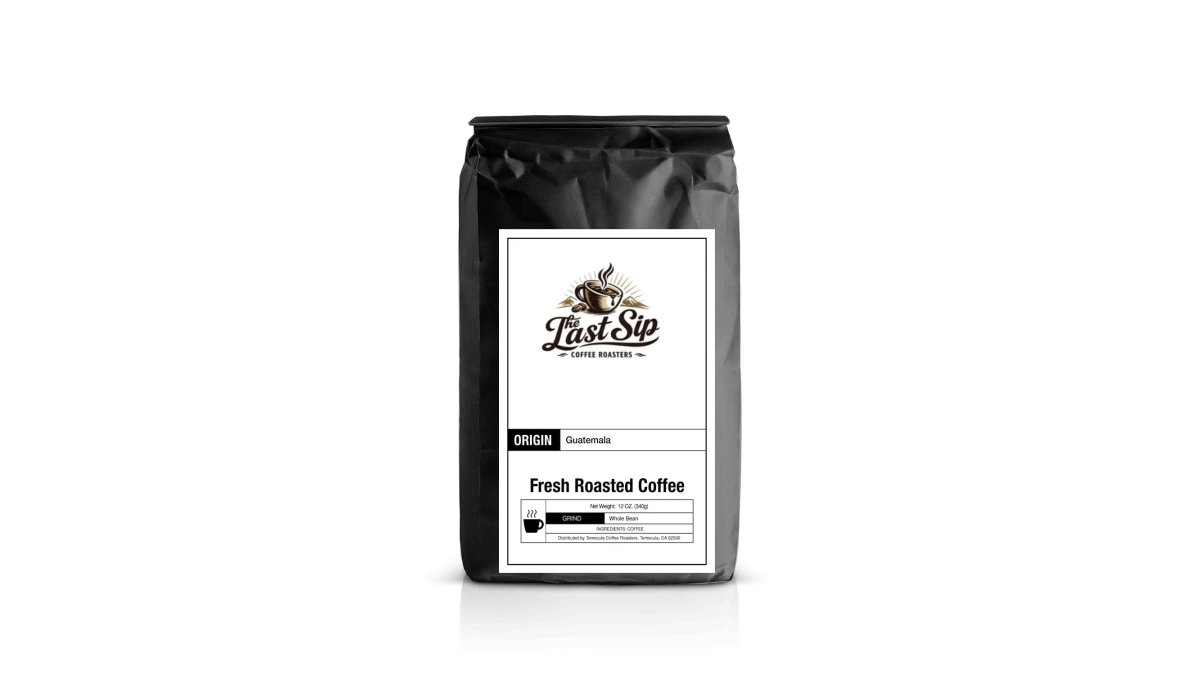
- Guatemala Coffee Beans ($19.99): dark chocolate, bright fruit, and butterscotch with citrus-like acidity, grown in the volcanic soil of Antigua.
- Single Origin Mexico Coffee ($19.99): chocolate, cinnamon, and green apple from growers in Chiapas and Oaxaca.
Cost per Cup: Fresh Beans vs. Subscription Models
Cost per cup is the number that actually matters, and most guides skip it. Here's the math daily drinkers need.

Cups per Bag by Dose
A standard 12 oz (340 g) bag of whole bean coffee yields different cup counts depending on how much you dose per brew:
Brazil Santos Coffee | Medium Roast →
| Dose per Cup | Grams per Cup | Cups per 12 oz Bag |
|---|---|---|
| Single espresso | 9 g | ~37 |
| Double espresso | 18 g | ~18 |
| Drip, small mug | 12 g | ~28 |
| Drip, large mug | 18 g | ~18 |
| Pour-over, 12 oz | 22 g | ~15 |
| French press, 12 oz | 30 g | ~11 |
| Cold brew, 16 oz concentrate | 40 g | ~8 |
Cost per Cup at $19.99 per Bag
Using a $19.99 bag of whole bean coffee:
- Double espresso: ~$1.11 per shot
- Drip, small mug: ~$0.71 per cup
- Drip, large mug: ~$1.11 per cup
- Pour-over, 12 oz: ~$1.33 per cup
- French press, 12 oz: ~$1.82 per cup
- Cold brew, 16 oz: ~$2.50 per serving
Compare that to a cafe latte at several dollars a cup and the gap is obvious. Even against store-bought premium beans, the math holds up once you account for what you're getting: a roast date you can trust.
Where Subscription Models Change the Math
A subscription that ships more than you drink creates waste, and waste kills your real cost per cup. Receive a 12 oz bag weekly but brew one cup a day, and you're tossing roughly half a bag per cycle, doubling your effective cost per cup.
The Hidden Costs
Three line items most guides ignore:
- Storage gear. An airtight canister with a one-way valve runs a modest one-time cost and protects the bag you just paid a premium for.
Fresh Beans vs. Warehouse Beans: The Real Comparison
The value of roasting to order isn't just flavor, it's ordering what you'll actually drink, at a cost per cup you can calculate.
Storage and Shelf-Life for Your Fresh Beans
Storage is where good beans go bad fast. Keep whole beans in an airtight container, away from light, heat, and moisture, a cabinet beats a countertop jar next to the stove.
A few habits that protect shelf life:
- Buy whole bean and grind right before brewing.
- Skip the fridge and freezer for daily-use beans; moisture and odors migrate in.
- Use a one-way valve bag or airtight canister to let CO2 escape without letting air in.
- Finish the bag within a few weeks of the roast date for peak flavor.
Is Cold Brew Coffee Better Than Iced Coffee?
Cold brew and iced coffee are different drinks, not two names for the same thing. Cold brew is steeped in cold water for hours, producing a smooth, low-acid cup. Iced coffee is hot-brewed coffee chilled and poured over ice, which keeps more brightness and acidity.
Which is better depends on what you want:
- Cold brew for a mellow, less acidic cup with a heavier body and mouthfeel.
- Iced coffee for a brighter, more aromatic cup that shows off a bean's tasting notes.
Frequently Asked Questions
Is Trade Coffee actually good?
Trade Coffee offers a wide network of roasters, but freshness can vary because beans may sit in warehouses before shipping. If your priority is fresh coffee beans, look for roasters that roast to order and ship immediately. The Last Sip Coffee Roasters roasts every batch after you order, so you get maximum flavor and aroma.
What are the best alternatives to Trade Coffee for fresh beans?
The best alternatives are roasters that roast to order and provide clear roast dates. The Last Sip Coffee Roasters offers single-origin beans like Brazil Santos and Colombia Medium Roast, roasted after you order and shipped fast. This ensures you receive fresh coffee beans, not inventory that has been sitting for weeks.
How does roast-to-order freshness compare across coffee subscriptions?
Roast-to-order means your beans are roasted after you place the order, often within 24 hours. Many subscriptions roast in bulk and store beans, so you might receive coffee that is already weeks old. With roast to order coffee delivery, you get beans at peak flavor. The Last Sip Coffee Roasters roasts each batch to order and ships directly to you.
How do I choose a coffee subscription based on roast date?
Check if the roaster prints the roast date on the bag and ships within days of roasting. Avoid subscriptions that only show a 'best by' date. The Last Sip Coffee Roasters includes the roast date and ships quickly, so you can verify freshness. Also consider how to tell if coffee beans are fresh: look for a strong aroma.
Is cold brew coffee better than iced coffee?
Cold brew is made by steeping coarse grounds in cold water for 12-24 hours, resulting in a smooth, low-acid concentrate. Iced coffee is brewed hot and then chilled, which can taste brighter but may become diluted. For a refreshing summer drink, cold brew offers a richer body and less bitterness. Use fresh coffee beans like Guatemala Coffee Beans for the best cold brew flavor.