
Table of Contents
- What Makes Specialty Coffee Different
- Understanding the SCA Scoring System and Quality Standards
- Specialty Coffee vs Commodity Coffee: The Real Differences
- Breaking Down the Cost: What You're Actually Paying For
- How to Store Specialty Coffee Beans for Maximum Freshness
- Best Specialty Coffee Roasters in 2026 and What Sets Them Apart
- Is the Premium Price Worth It? The Honest Answer
- Conclusion
Last Updated: August 24, 2026
What Makes Specialty Coffee Different
Specialty coffee is a measurable standard that separates exceptional beans from commodity-grade coffee through origin transparency, processing precision, and freshness. Beans are sourced from specific farms, roasted recently (ideally within 2-4 weeks of purchase), and evaluated against strict quality criteria.
Commodity coffee loses its volatile aromatics and nuanced flavor compounds during months of shelf storage. The difference is immediate: specialty coffee delivers complex flavor notes, citrus brightness, chocolate depth, floral undertones, or caramel sweetness, while commodity coffee tastes flat, bitter, or one-dimensional.
Training your palate to taste these differences requires sensory awareness, not talent. Start with the basics:
Aroma (dry grounds): Specialty coffee has pronounced, pleasant aroma, chocolate, fruit, nuts, or floral notes. Commodity coffee smells generic or flat.
Aroma (brewed): After pouring hot water, specialty coffee releases complex aromatics, berry, citrus, caramel, or spice. Commodity coffee smells one-dimensional.
Acidity (brightness): High-altitude beans from East Africa or Central America taste crisp and tea-like. Low-acidity beans from Brazil or Sumatra taste smooth and heavy. Specialty coffee lets you taste this intentionally; commodity coffee tastes flat or harshly sour.
Body (weight): Light body feels thin like tea. Full body feels heavy like whole milk. Specialty coffee has clean, defined body matching its origin. Commodity coffee tastes muddy or thin.
Sweetness (finish): Specialty coffee develops caramel, chocolate, honey, or fruit sweetness as it cools, a sign of ripe beans and skillful roasting. Commodity coffee rarely develops sweetness.
Finish (aftertaste): Specialty coffee leaves a clean, pleasant aftertaste with lingering flavor notes. Commodity coffee leaves bitter or no aftertaste.
Try this tasting exercise: Brew two cups side by side, one specialty (85+ SCA score) and one commodity, using identical brewing conditions. Smell both, taste both, and notice differences in aroma, acidity, body, sweetness, and finish. Write down what you taste. Repeat three times with different specialty coffees. By the third tasting, your brain will map the flavor vocabulary automatically.
Understanding the SCA Scoring System and Quality Standards
The Specialty Coffee Association (SCA) established a standardized cupping score system defining specialty coffee as beans scoring 80 or higher on a 100-point scale (sca.coffee). This evaluates aroma, flavor, acidity, body, balance, and overall impression through rigorous tasting protocol.
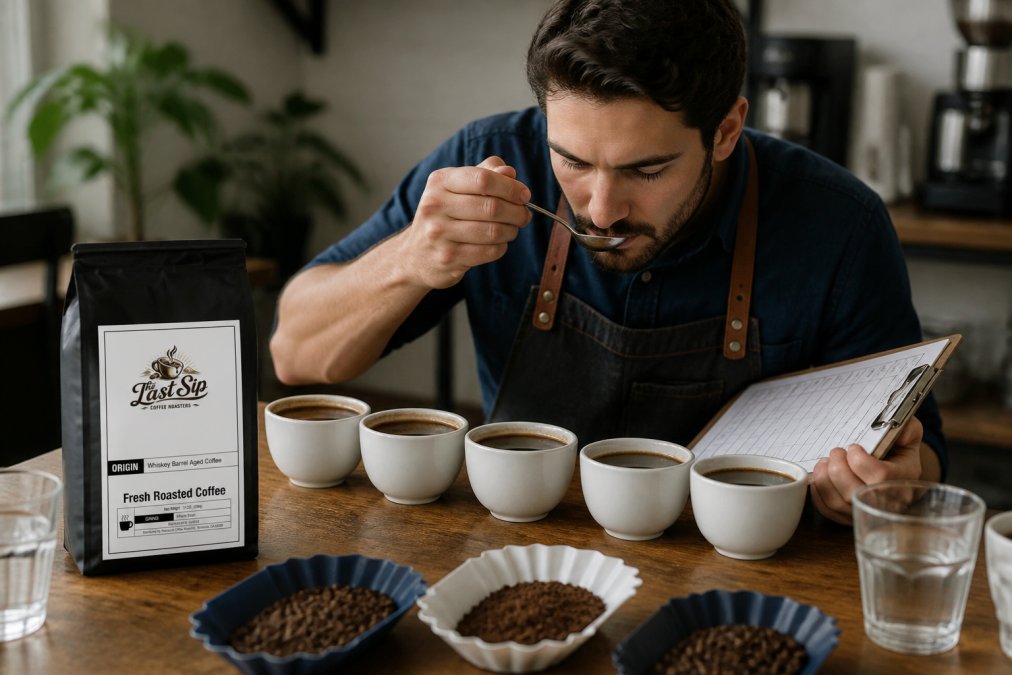
Scores between 80-85 represent very good coffee with minor defects. Scores from 85-90 indicate excellent coffee with subtle complexity. Anything above 90 is exceptional and rare. Most specialty roasters focus on the 80-87 range, delivering noticeably better flavor than commodity coffee while remaining accessible in price.
The cupping process is standardized: trained tasters brew coffee under identical conditions, smell aroma as hot water hits grounds, then taste systematically as the coffee cools. Each attribute is scored independently, then combined for a final rating. This removes guesswork and ensures consistency across roasters and origins.
Understanding this system matters because you're not paying for a brand name, you're paying for beans verified to meet objective quality standards.
Specialty Coffee vs Commodity Coffee: The Real Differences
Commodity coffee is grown at scale on massive farms, harvested without regard to ripeness, and sold on the global futures market. Beans from different origins and harvests get mixed together, processed inconsistently, and aged in storage.
Specialty coffee follows a different path. Farmers grow smaller lots with attention to terroir, soil, altitude, climate, and processing method that shape flavor. Beans are harvested selectively when ripe and sold directly to roasters or through specialty brokers maintaining traceability.
Processing method creates dramatic flavor differences. Washed process coffees taste cleaner and brighter, highlighting natural acidity and fruit notes. Natural process coffees ferment in the fruit, developing deeper sweetness and berry flavors. Honey process offers balanced body with fruity complexity. Commodity coffee rarely specifies processing because consistency doesn't matter when beans are commoditized.
Freshness is the third critical difference. Commodity coffee is roasted weeks or months before reaching your kitchen. Specialty roasters roast smaller batches on demand. Fresh roasted coffee has vibrant aromatics and clean taste; aged coffee tastes muted and flat.

Breaking Down the Cost: What You're Actually Paying For
Specialty coffee costs 50-100% more than supermarket brands because of several factors:
Green bean costs: Specialty-grade beans cost 2-3 times more at origin than commodity beans (ico.org). Farmers investing in selective harvesting, careful fermentation, and quality control command higher prices.
Direct trade relationships: Many specialty roasters work directly with farmers, eliminating middlemen. This means higher prices for farmers (incentivizing quality) and transparent sourcing for roasters.
Roasting precision: Specialty roasters use expensive equipment and trained professionals to roast in small batches. Temperature, airflow, and timing are adjusted to bring out the best in specific beans. Commodity roasting is automated and high-volume.
Freshness guarantee: Roasting to order costs more than bulk roasting and warehousing. The Last Sip Coffee Roasters roasts your beans after you order, ensuring maximum freshness.
Quality control: Every batch of specialty coffee is cupped and evaluated before shipping. Defective batches get rejected.
For a $19.99 half-pound of specialty coffee: roughly $8-10 goes to green beans and farmer relationships, $3-4 covers roasting and quality control, $2-3 accounts for fresh roasting and shipping, and $2-3 covers overhead and profit. Commodity coffee allocates most costs to marketing and retailer margin.
How to Store Specialty Coffee Beans for Maximum Freshness
Buying specialty coffee only solves half the problem. Storage determines whether you experience fresh-roasted quality or watch it degrade.
The enemies are air, light, heat, and moisture. Oxygen causes oxidation and staleness. Light breaks down flavor compounds. Heat accelerates degradation. Moisture invites mold and off-flavors.
Store beans in an airtight container away from direct sunlight. An opaque, sealed bag with a one-way valve works well, the valve lets CO2 escape without letting oxygen in. Keep the container in a cool, dark cupboard. Room temperature is fine; refrigeration isn't necessary and can introduce condensation.
Buy only what you'll use in 2-4 weeks. Specialty coffee peaks in flavor 1-2 weeks after roasting, then gradually declines (peer-reviewed research). Grind immediately before brewing, ground coffee stales much faster because grinding exposes far more surface area to oxygen.
Best Specialty Coffee Roasters in 2026 and What Sets Them Apart
The best roasters share common traits: transparent sourcing, fresh roasting (typically to order), and beans scoring 80+ on the SCA scale.
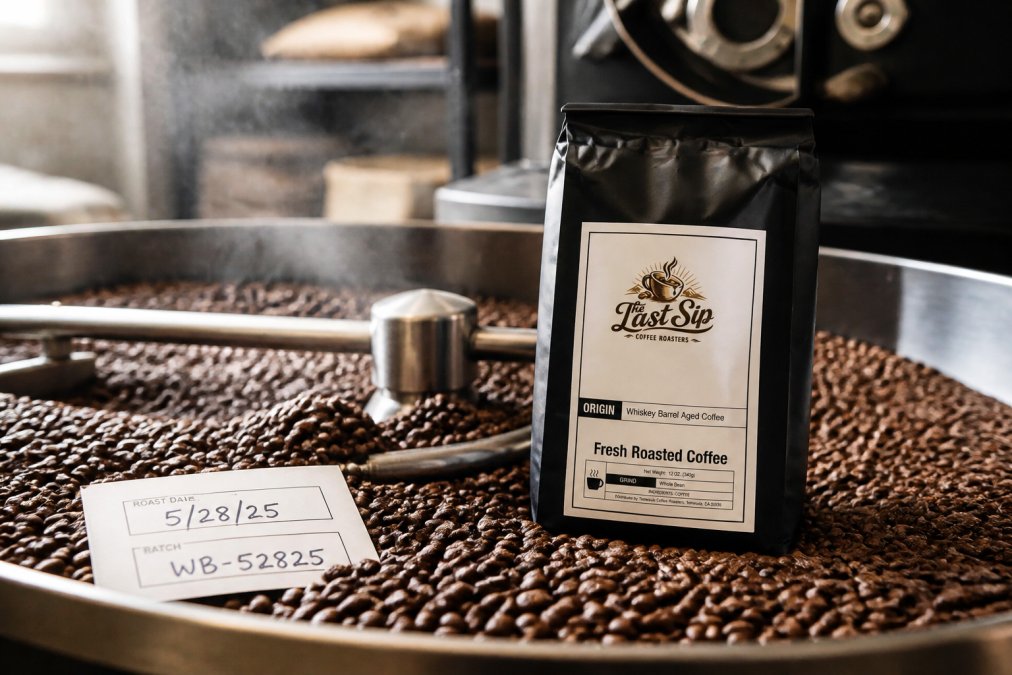
The Last Sip Coffee Roasters stands out because every batch is roasted to order. Your beans are roasted after your order arrives, guaranteeing maximum freshness. Sourcing is transparent (origins and processing methods are listed), and flavor profiles are specific rather than generic. Their Peruvian single-origin coffee ($19.99) delivers balanced body with low acidity and sun-dried sweetness. The Bourbon Barrel Aged Coffee ($19.99) offers Guatemala beans aged 30 days in bourbon barrels, then roasted to order. Their Lion's Mane Coffee Dark Roast ($20.99) blends specialty-grade arabica with mushroom adaptogens for functional benefits. The simple ordering process and reliable fulfillment ensure consistent quality.

Other respected roasters emphasize single-origin transparency, cupping scores, or limited-edition micro-lots. The common thread is that quality roasters publish sourcing information, roast dates, and flavor profiles. If a roaster won't tell you where the coffee came from or when it was roasted, it's not specialty coffee.
Is the Premium Price Worth It? The Honest Answer
The cost-per-cup reality: A half-pound of specialty coffee at $19.99 yields roughly 8-10 cups, or approximately $2.00-$2.50 per cup made at home. Commodity coffee at $5.99 per half-pound costs roughly $0.60-$0.75 per cup. However, specialty coffee at home costs half as much as café drinks ($4.50-$6.00 per cup) while delivering better flavor. For someone drinking two cups daily, the annual difference is roughly $365-$550 in favor of home brewing specialty coffee versus café purchases.
The diminishing returns curve: Not all specialty coffee is created equal. SCA scoring provides the framework: beans scoring 80-85 deliver noticeably better flavor than commodity coffee and typically cost $14-$18 per half-pound. Beans scoring 85-90 taste excellent with greater complexity, usually $18-$26 per half-pound. Beans scoring 90+ are rare and exceptional, often costing $28-$40+ per half-pound. The flavor improvement from 80 to 85 is dramatic and worth the premium. The improvement from 85 to 90 is meaningful but smaller. Beyond 90, you're often paying for rarity or prestige rather than proportional flavor gains. Many enthusiasts find their sweet spot in the 85-87 range: excellent flavor, noticeable complexity, and reasonable pricing.
Three factors determine whether the premium makes sense:
If you have a refined palate: You'll notice the difference immediately. Specialty coffee's complexity becomes obvious when tasted side by side with commodity coffee.
If you use quality brewing equipment: Specialty coffee shines with pour-over, French press, or espresso machines. A $30 burr grinder and $25 pour-over cone unlock far more flavor from specialty beans than a cheap automatic drip machine.
If you drink coffee daily: The math changes dramatically. A daily drinker making coffee at home with specialty beans spends roughly $730-$912 annually ($2.00-$2.50 per cup × 365 days). The same person buying café drinks spends $1,642-$2,190 annually. Specialty coffee at home costs 60% less than café drinks while tasting better.
Conclusion
Specialty coffee represents a genuine quality leap over commodity alternatives through superior sourcing, processing precision, freshness guarantees, and quality verification via SCA scoring. The premium price reflects real differences, not marketing.
Whether it's worth the price depends on your palate, equipment, and consumption habits. For daily coffee drinkers with quality brewing gear, specialty coffee delivers better flavor at lower cost than café drinks.
If you're ready to experience specialty coffee at peak freshness, The Last Sip Coffee Roasters delivers beans roasted to order with transparent sourcing and specific flavor profiles. Try their Peruvian single-origin ($19.99) for a balanced introduction, or explore their Bourbon Barrel Aged Coffee ($19.99) for a unique specialty experience. With roasting happening after your order arrives, you get maximum flavor and aroma in every cup.
Frequently Asked Questions
Q: What is the difference between specialty coffee and regular coffee?
A: Specialty coffee is graded by the Specialty Coffee Association and scores 80 points or higher out of 100, while commodity coffee is mass-produced and graded on lower standards. Specialty coffee emphasizes single-origin beans, traceable supply chains, and intentional processing methods that highlight flavor. Regular grocery store coffee typically blends multiple origins and prioritizes consistency over distinctive taste profiles.
Q: Why is specialty coffee worth the price compared to commodity coffee?
A: Specialty coffee costs more because of direct trade relationships with growers, smaller batch sizes, careful quality control at every step, and fresh roasting to order. You're paying for traceability, flavor complexity, and freshness you won't find in commodity coffee. The cost-per-cup is often comparable to cafe visits when you factor in the experience and quality you get at home.
Q: How should I store specialty coffee beans to keep them fresh?
A: Store specialty coffee beans in an airtight container away from light, heat, and moisture at room temperature. Keep them in a cool, dark cupboard rather than on the counter or in the refrigerator. Use beans within 2-4 weeks of the roast date for optimal flavor. Whole beans stay fresher longer than pre-ground coffee, so grind just before brewing. Check the roast date on the bag when ordering to ensure maximum freshness upon arrival.
Q: What does an SCA score mean and how does it affect price?
A: The Specialty Coffee Association scores beans from 0-100 based on factors like acidity, body, flavor, and balance. Scores of 80+ qualify as specialty grade and command premium prices. Higher scores (85+) indicate exceptional quality and complexity, justifying higher costs. This standardized scoring system gives you transparency about what you're paying for and helps you compare roasters fairly.
This article was written using GrandRanker