
Table of Contents
- What Makes a Trade Coffee Alternative Worth Considering
- Roast-to-Order Coffee Benefits vs. Standard Subscriptions
- How to Choose a Coffee Subscription for Your Brewing Method
- Coffee Subscription Price Comparison: Value Across Options
- Single-Origin vs. Blended Profiles: Finding Your Preference
- Freshness Guarantee and Shipping Speed Matter
- Why Sustainability and Ethical Sourcing Differentiate Premium Roasters
- Conclusion
Last Updated: August 17, 2026
What Makes a Trade Coffee Alternative Worth Considering
If you're already subscribed to a premium coffee service, switching feels like unnecessary friction. But here's what most coffee drinkers miss: the gap between "good enough" and genuinely exceptional often comes down to freshness. A trade coffee alternative for premium roasts isn't about reinventing the wheel, it's about recognizing that freshness, customization, and sourcing transparency have become table stakes for specialty coffee. The Last Sip Coffee Roasters approaches this differently than commodity subscription services. Every batch is roasted to order, which means the beans you receive are days old, not weeks. That distinction matters more than most guides acknowledge.
This guide explores what separates a mediocre trade coffee alternative from one worth your money and attention. We'll examine roast-to-order benefits, pricing structures, sustainability practices, and the practical factors that actually change your morning cup.
Roast-to-Order Coffee Benefits vs. Standard Subscriptions
Roast-to-order coffee fundamentally changes how fresh your beans arrive. When a roaster roasts on demand rather than maintaining inventory, you receive beans at their peak aromatic potential. Standard subscription models often buy pre-roasted coffee in bulk, store it in warehouses, and ship it on a schedule. The coffee might be weeks old before it reaches your door.
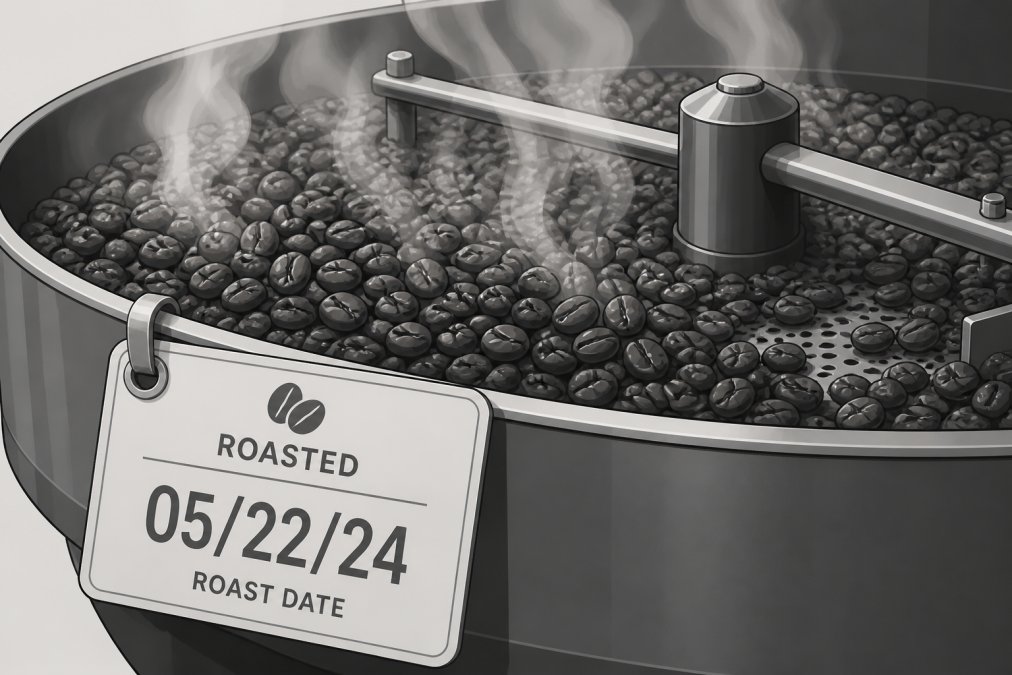
Freshly roasted beans produce more CO2, which creates richer crema in espresso and fuller body in drip coffee. The aromatics, volatile compounds that make coffee smell incredible, are still present rather than having dissipated over time. Roast-to-order also eliminates the inventory problem. Most subscription services lock you into fixed shipment schedules. Order too much and you're drinking stale coffee by week four. The Last Sip Coffee Roasters lets you control frequency and quantity, roasting when you need it.
There's a trade-off: roast-to-order takes slightly longer to deliver than pre-roasted inventory sitting in a warehouse. Typical shipping is 3-5 days after roasting rather than 1-2 days from stock. For most home brewers, this is a worthwhile exchange. The freshness gain outweighs the minor delay.
How to Choose a Coffee Subscription for Your Brewing Method
Choosing a coffee subscription without considering your brewing method is like buying a car without knowing if you need an SUV or a sedan. The grind size, bean density, and roast profile that work beautifully in an espresso machine can produce weak, under-extracted coffee in a French press.
Start by identifying your primary brewing method: pour-over dripper, automatic drip machine, French press, espresso machine, or Aeropress. Each has different requirements. Espresso demands consistency and specific particle size. French press benefits from coarser grind and fuller-bodied roasts. Pour-overs work well across a range of roasts but perform best with lighter profiles.
Once you've identified your method, evaluate whether the subscription offers customization. Can you request whole bean versus pre-ground? Can you specify grind size? Do they offer roast profile options, light, medium, dark, or push a single house style?
The Last Sip Coffee Roasters provides options like the 6 Bean Coffee Blend for espresso enthusiasts and the Medium Roast Breakfast Blend Coffee for smooth, approachable cups. Having choices matters because one-size-fits-all subscriptions often disappoint the moment your brewing setup changes.


Coffee Subscription Price Comparison: Value Across Options
Price alone tells you nothing about value. A trade coffee alternative for premium roasts should cost more than grocery store coffee because the sourcing, roasting, and logistics are genuinely different. The question isn't whether premium costs more, it's whether you're getting proportional quality.
Most coffee drinkers compare subscriptions by monthly cost or per-pound price, which obscures the real metric: cost-per-cup.
How to Calculate True Cost-Per-Cup
Start with the price per pound, then work backward to cups brewed. A standard cup uses between 0.3 and 0.5 ounces of ground coffee, depending on your brewing method. Espresso uses the most (about 0.5 ounces for a double), while pour-over and drip use 0.3-0.4 ounces per cup.
Cost per cup = (Price per pound ÷ 16 ounces) × Coffee per cup
Example: A premium roaster charges $20 per pound. You brew pour-over using 0.35 ounces per cup.
- $20 ÷ 16 = $1.25 per ounce
- $1.25 × 0.35 = $0.44 per cup
Compare that to grocery store coffee at $8 per pound:
- $8 ÷ 16 = $0.50 per ounce
- $0.50 × 0.35 = $0.18 per cup
The premium roaster costs 2.4 times more per cup. That sounds expensive until you factor in flavor quality and freshness, fresher beans extract better, meaning you might use slightly less coffee and still get a superior cup.
Roast Profile Affects Actual Yield
Darker roasts lose more mass during roasting due to moisture loss. A pound of green coffee becomes roughly 0.85 pounds of dark roast but 0.87 pounds of light roast. This means a dark roast subscription delivers fewer cups per pound than a light roast at the same price.
Subscription Tier Pricing and Bulk Discounts
| Subscription Type | Typical Price Per Pound | Cost-Per-Cup (0.35 oz) | Roast Schedule | Best For |
|---|---|---|---|---|
| Budget subscriptions | $8-12 | $0.18-$0.27 | Pre-roasted inventory | Casual drinkers, high volume |
| Mid-tier roasters | $14-18 | $0.31-$0.40 | Mixed model | Enthusiasts, consistent quality |
| Premium roast-to-order | $18-24 | $0.40-$0.53 | Roasted to order | Serious coffee drinkers, freshness priority |
| The Last Sip Coffee Roasters whole bean | $19.99 | $0.44 | Roasted to order | Quality-focused home brewers |
The Last Sip Coffee Roasters' whole bean options at $19.99 per pound work out to approximately $0.44 per cup for pour-over brewing. Their capsule products ($1.00-$1.67 per capsule) are convenient but cost significantly more per cup, roughly $0.80-$1.34, making them better suited for occasional use or gifting.
Bulk ordering typically reduces per-unit cost. Subscribing to monthly shipments versus one-time purchases often includes 10-15% discounts. If you drink 20 cups per week, that's roughly 1,040 cups annually, or about 52 pounds of coffee. Annual spend at different price points:
- Budget subscription: $416-$624 annually
- Mid-tier: $728-$936 annually
- Premium roast-to-order: $936-$1,248 annually
For many specialty coffee drinkers, the $300-$600 annual premium over budget options is justified by freshness, flavor quality, and customization.
Single-Origin vs. Blended Profiles: Finding Your Preference
This choice defines your entire coffee experience more than any other factor. Single-origin beans come from one farm or region and highlight specific terroir, environmental factors that create distinct flavor characteristics. Blended coffees combine beans from multiple origins to create balance, complexity, or consistency.
Single-origin coffees typically show pronounced tasting notes: berry and floral for Ethiopian beans, chocolate and nuts for Brazilian, bright citrus for Central American. They're more interesting if you enjoy discovery. Blended coffees are engineered for consistency and approachability. The House Blend Coffee from The Last Sip Coffee Roasters exemplifies this, a medium roast blend of Central and South American coffees designed for a smooth, clean cup with tasting notes of nutty, sweet chocolate, and mild citrus. It's reliable and works across brewing methods.
Most serious coffee drinkers want both. Single-origins for weekend exploration when you have time to focus on the cup. Blends for weekday mornings when you need consistency and speed.
Freshness Guarantee and Shipping Speed Matter
Freshness guarantee separates premium roasters from everyone else. Some services promise beans roasted within a specific window. Others provide roast dates but make no freshness commitments. The best services offer both transparency and speed.
The Science of Coffee Freshness: Why Days Matter
Coffee freshness is driven by chemistry. Immediately after roasting, beans release CO2 as a byproduct. This CO2 is essential: it creates crema in espresso, adds body to drip coffee, and carries volatile aromatic compounds that define flavor.
The peak freshness window is 3-10 days post-roast. During this period, CO2 is actively off-gassing and aromatic compounds remain stable. After 10 days, CO2 release slows dramatically and volatile aromatics begin to oxidize. By day 30, the coffee is still drinkable but noticeably flatter. By day 60, it tastes stale regardless of brewing technique.
This is why a roast-to-order service that ships within 2-3 days of roasting delivers a fundamentally different product than a service shipping pre-roasted inventory from warehouse stock.
Roast Date Transparency as a Quality Signal
A roast date printed on the bag is non-negotiable. If a service doesn't print the roast date, that's a red flag, they're hiding information, likely because the beans are older than they'd like you to know.
When evaluating a subscription, check:
- Is the roast date printed on every bag? Not mentioned on the website, but actually on the physical packaging?
- How old are beans when they ship? Ask the roaster directly. The answer should be 2-5 days post-roast for premium services.
- What's the guaranteed freshness window? Some roasters promise beans roasted within the last 7 days.
- How long does shipping take? Standard USPS Priority Mail takes 2-3 days. The best services include reasonably fast shipping in the base price.
The Last Sip Coffee Roasters roasts to order and ships quickly, which means beans arrive while still in that optimal aromatic window.
Storage and Shelf Life After Delivery
Once beans arrive, proper storage extends freshness. Whole beans in an airtight container away from light, heat, and moisture stay acceptable for 30 days. Ground coffee loses aromatics much faster, within 3-7 days, which is why requesting whole bean is critical if the service offers it.
Cancellation, Pause, and Customer Service: The Hidden Friction
Here's what most coffee guides skip: the experience of canceling or pausing a subscription. A premium service should make this easy. Evaluate these friction points before subscribing:
Pause vs. Cancel: Can you pause a subscription without canceling it entirely? Pausing is better than canceling because you can resume without re-entering payment information.
Cancellation Process: Can you cancel online, or do you have to email customer service? How long does it take to process?
Billing Timing: When does the service charge you? Can you cancel before being charged for an unwanted shipment?
Frequency Changes: Can you easily adjust shipment frequency without canceling and re-subscribing?
Customer Service Responsiveness: If you have an issue, wrong beans shipped, damaged package, billing error, how quickly does the roaster respond? Email support within 24 hours is standard.
These details seem minor until you're stuck with a subscription you want to pause but can't.
Why Sustainability and Ethical Sourcing Differentiate Premium Roasters
Sustainability and ethical sourcing have moved from nice-to-have to essential for serious coffee drinkers. Coffee farming is labor-intensive and often happens in regions with limited regulatory oversight. Paying attention to sourcing means supporting farmers directly rather than funding exploitative supply chains.
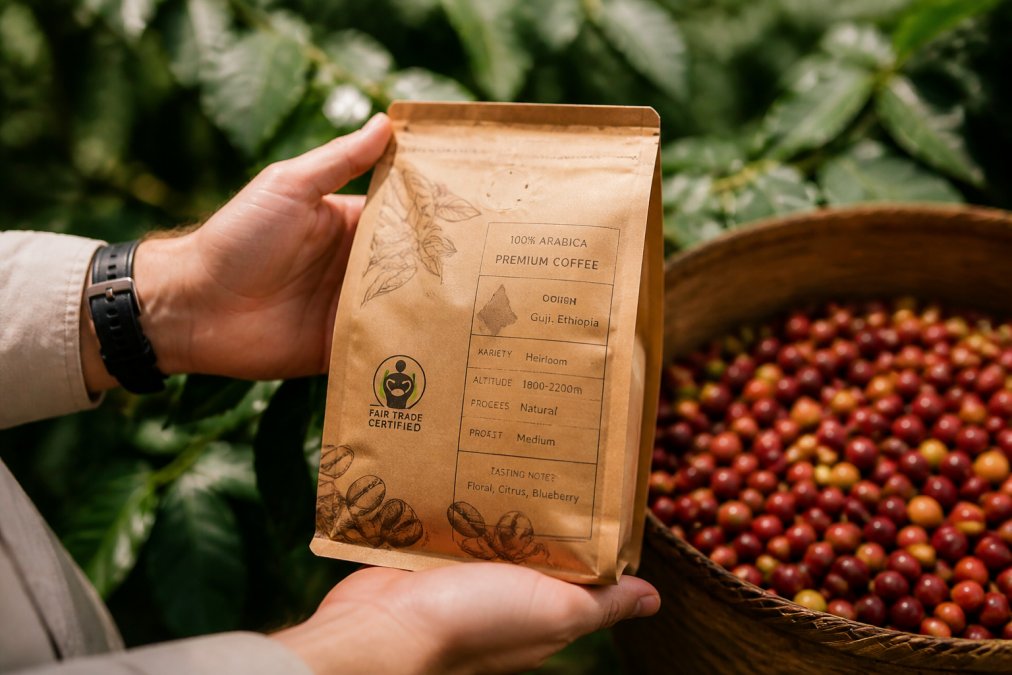
Premium roasters increasingly source direct-trade or fair-trade beans, which means farmers receive significantly higher prices than commodity coffee. Direct-trade relationships often involve roasters visiting farms, understanding growing conditions, and building long-term partnerships.
The House Blend from The Last Sip Coffee Roasters specifically mentions that their Central and South American coffees use both natural/dry processing and wet mill washed/sun-dried techniques that are "friendly to the environment, the rain forests, and the living creatures of the high elevation mountains where these coffees are grown." This level of transparency about processing methods reflects a roaster that takes sourcing seriously.
If sustainability matters to you, ask potential roasters specific questions: Where do your beans come from? What's your relationship with the farmers? Can you explain the processing methods? If they give vague answers, they're probably not prioritizing sourcing the way you should expect from a premium service.
Conclusion
Finding the right trade coffee alternative for premium roasts comes down to prioritizing what actually matters to you: freshness, customization, sustainability, or consistency. The Last Sip Coffee Roasters delivers on all four through roast-to-order production, carefully sourced beans, fast reliable delivery, and a simple ordering process that puts you in control. Whether you choose their Original Roast Coffee Capsules for convenience or their whole bean options for maximum freshness, you're getting coffee roasted specifically for your order, not pulled from warehouse inventory. Get started with The Last Sip Coffee Roasters and experience the difference that genuinely fresh, thoughtfully sourced coffee makes in your daily cup.

Frequently Asked Questions
What makes a Trade Coffee alternative actually different in terms of freshness?
The key difference lies in roast-to-order timing. Premium alternatives like The Last Sip Coffee Roasters roast every batch after you order, ensuring maximum freshness and aroma. Trade Coffee and similar services often roast in bulk and ship from inventory. Roast-to-order means your coffee is typically roasted within 24-48 hours of shipment, compared to beans that may be 1-2 weeks old before arriving. This fresher product delivers noticeably brighter tasting notes and a more satisfying cup from first sip to last.
How do I choose a coffee subscription if I'm not sure about my brewing method preferences?
Start by identifying how you brew: espresso machines, pour-over, French press, or single-serve capsules all require different grind sizes and roast profiles. Whole bean blends work for most methods, but specialty roasters offer grind customization. The Last Sip Coffee Roasters provides options like the 6 Bean Coffee Blend for espresso enthusiasts and the Medium Roast Breakfast Blend for everyday drip brewing. Many premium services also include tasting notes and processing method details to help match beans to your equipment. If you're uncertain, start with a versatile medium roast house blend, which performs well across multiple brewing methods.
Is a roast-to-order subscription really worth the premium pricing compared to grocery store specialty coffee?
Yes, when you calculate cost-per-cup. A single-serve capsule from The Last Sip Coffee Roasters runs roughly $1.67-$2.00 per cup for premium gourmet blends, while specialty grocery coffee often costs $12-$18 per pound. That's $0.75-$1.13 per cup, but those beans lose freshness within 2-3 weeks of opening. Roast-to-order coffee maintains peak flavor for 4-6 weeks, meaning you consume the coffee while it's at its best. You're paying for guaranteed freshness, curated sourcing, and consistent quality, not just commodity coffee.
What should I look for when comparing coffee subscription services?
Focus on four factors: roast date freshness (beans roasted within days of shipment), sourcing transparency (single-origin vs. blended options, ethical certifications), customization (grind size, roast level, brew method compatibility), and cancellation flexibility. Check shipping speed, premium services ship within 24-48 hours of roasting. Evaluate whether the service offers whole bean, pre-ground, or capsule options. Compare the tasting notes and processing methods available. Finally, review customer service policies for returns and subscription pauses. The Last Sip Coffee Roasters excels at roast-to-order freshness, reliable fast delivery, and simple ordering without complex customization requirements.
This article was written using GrandRanker