
Table of Contents
- Why Bean Freshness Matters for Your Kitchen
- The Best Coffee Subscription for Freshness
- Understanding Coffee Roast Date Importance
- Top Bean Alternatives for Texture and Flavor
- Nutritional Profile and Dietary Restrictions
- Cooking Methods and Conversion Ratios
- How to Maintain Recipe Integrity Without Beans
- Conclusion
Last Updated: August 22, 2026
Why Bean Freshness Matters for Your Kitchen
Freshness determines everything about a cup of coffee. The moment beans leave the roaster, they begin losing aromatic oils and flavor compounds. Within two weeks, they're noticeably flatter (peer-reviewed research). Within a month, they taste stale. This is why I Have a Bean alternative for freshness has become central to how serious coffee drinkers approach their morning ritual.
The difference between fresh-roasted and shelf-aged beans isn't subtle. Fresh beans produce a vibrant crema, fuller body, and those bright notes that make specialty coffee worth the investment. Stale beans taste muted, bitter, and thin. Your brewing method, grind size, and water temperature matter far less than starting with beans that actually have flavor to extract.
At The Last Sip Coffee Roasters, we've built our entire model around this single principle: roasting to order means your beans ship within days of roasting, not weeks. No inventory sitting in warehouses. No beans aged in fluorescent-lit storage. You get maximum freshness and aroma in every shipment.
The Best Coffee Subscription for Freshness
A coffee subscription solves the freshness problem by automating regular delivery of recently roasted beans. Instead of buying whatever's on the shelf at your local store, you receive beans roasted within days of shipment on a schedule that matches your consumption rate.
The best coffee subscription for freshness operates on a simple premise: eliminate the gap between roasting and brewing. This means roasting happens after you order, not before. The Last Sip Coffee Roasters uses this exact approach. Every order triggers a roast, meaning your beans are roasted specifically for you, not pulled from existing inventory.
Subscription services that stock pre-roasted inventory, even premium ones, cannot compete on freshness. They optimize for convenience and shelf stability, not flavor. The trade-off is inevitable: older beans in exchange for faster shipping and lower overhead costs. If freshness is your priority, you need a roaster that roasts to order.
The subscription model also solves the "stale coffee sitting around" problem that home users face. Instead of buying a two-pound bag and watching it deteriorate over four weeks, you receive smaller quantities on a regular schedule. A half-pound every two weeks stays fresher than a full pound bought once monthly. This approach aligns your supply with your actual consumption, not with bulk discounts.
Understanding Coffee Roast Date Importance
The roast date is the single most important number on a bag of coffee beans. It tells you exactly when the beans were roasted, which determines their flavor profile and how much time you have before they begin declining in quality.
Coffee roast dates work on a simple timeline. Days 1-3 after roasting, beans are still releasing CO2 and developing their final flavor profile (peer-reviewed research). Days 4-14, they're at peak flavor and aroma. Days 15-30, they're still good but noticeably flatter. Beyond day 30, they taste stale. This timeline applies to properly sealed, whole beans stored at room temperature away from light.
The roast date matters far more than the packaging claims. A bag labeled "premium" or "specialty" roasted three months ago tastes worse than a competently roasted bean from last week. Freshness overwhelms almost every other variable. This is why checking the roast date should be your first step when evaluating any coffee, whether from a local roaster or an online subscription service.
Most grocery store coffee doesn't even display a roast date. This is intentional. Pre-roasted inventory sitting in warehouses and on shelves can be months old by the time you buy it. Without a visible roast date, consumers can't make informed decisions. This opacity benefits retailers and distributors, not coffee drinkers.
Top Bean Alternatives for Texture and Flavor
When beans aren't available or you're seeking alternatives, understanding which substitutes best replicate bean texture and flavor is essential. Different legume-free and plant-based options offer distinct advantages depending on your recipe and dietary needs.
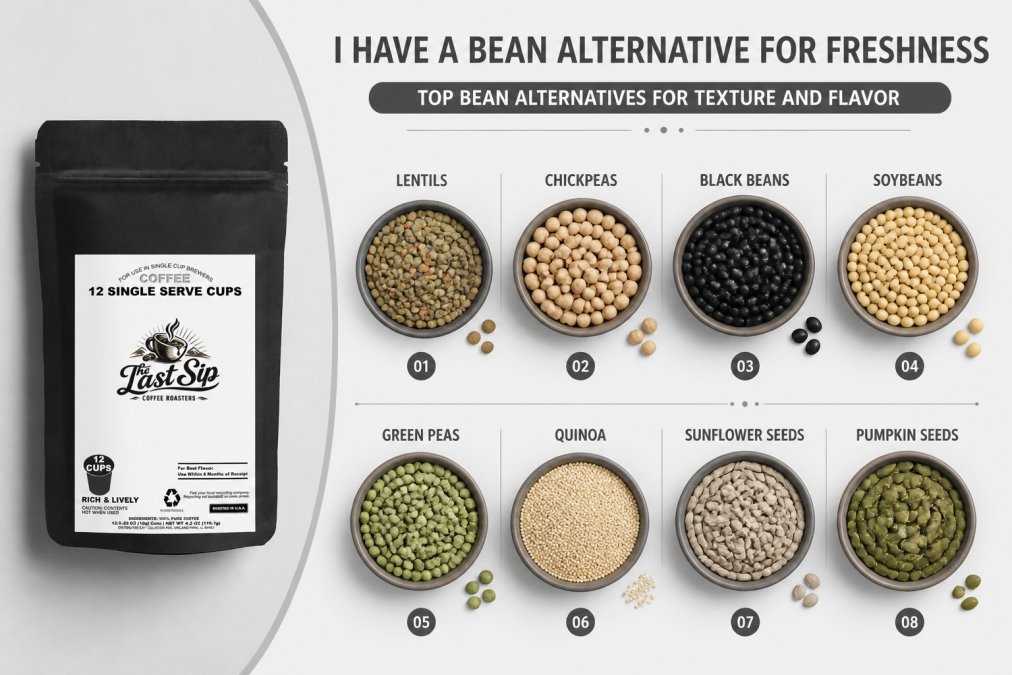
Legume-Free Protein Sources
Legume-free alternatives serve those with allergies, sensitivities, or dietary restrictions who need high-protein, fiber-rich substitutes without traditional beans. These options maintain nutritional density while offering different texture profiles.
Seeds like sunflower, pumpkin, and hemp deliver dense texture and nutty, savory flavor notes. They absorb flavor during cooking and provide substantial mouthfeel similar to beans. Sunflower seeds work particularly well in soups and stews where their mild earthiness complements broth-based recipes. They require less soaking than beans but benefit from brief toasting before use.
Nuts including almonds, walnuts, and cashews offer another legume-free direction. Ground nuts create creamy, rich bases for plant-based dishes. Whole nuts provide textural contrast and satiety. Cashews, when soaked and blended, replicate the creamy texture of refried beans. This substitution works best in recipes emphasizing smooth, velvety consistency rather than discrete bean pieces.
Whole grains like quinoa, millet, and farro provide complete proteins and dense texture profiles. They absorb cooking liquid readily and develop savory undertones when roasted before cooking. These work best in grain bowls, pilafs, and hearty sides where their distinct grain texture enhances rather than mimics bean dishes.
Plant-Based Alternatives with Dense Texture
Plant-based alternatives specifically engineered for dense texture and umami flavor include mushrooms, legume-free legume substitutes, and specialty plant proteins.
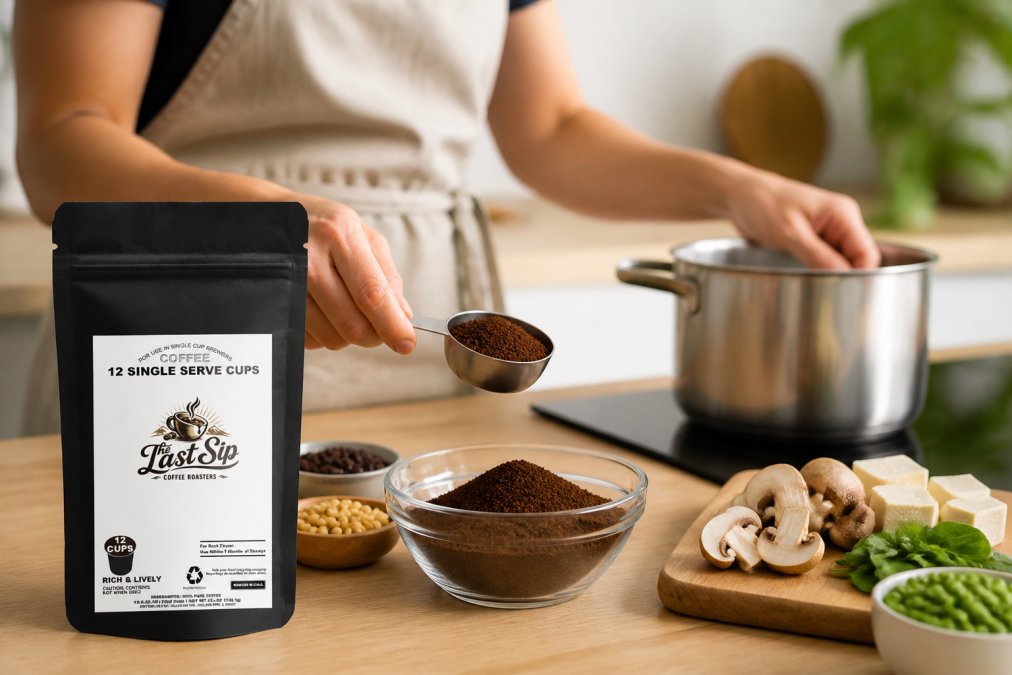
Mushrooms, particularly cremini, portobello, and shiitake varieties, deliver meaty texture and umami depth. Their dense structure survives extended cooking without breaking down. Finely chopped mushrooms create a chunky base similar to beans in chilis and curries. Roasted mushrooms develop concentrated savory flavor that replicates the earthiness of cooked beans.
Textured vegetable protein (TVP) and other plant-based meat alternatives offer engineered texture specifically designed to mimic beans. These products absorb flavoring liquids readily and maintain their structure through extended cooking. They work best in recipes where the focus is on sauce and seasoning rather than showcasing individual ingredient texture. TVP costs less than whole food alternatives and stores indefinitely in a pantry.
Roasted chickpea snacks and canned chickpeas represent the closest culinary substitute for beans, though technically chickpeas are legumes. For those with specific bean allergies but tolerating other legumes, chickpeas offer nearly identical nutritional profiles and cooking properties. Their slightly nuttier flavor works well in Mediterranean and Middle Eastern applications.
Nutritional Profile and Dietary Restrictions
Understanding the nutritional differences between beans and alternatives helps you choose substitutes that meet your health goals and dietary needs.
Beans provide complete proteins when combined with grains, substantial fiber content supporting digestion, and complex carbohydrates for sustained energy. They're naturally low in fat and contain polyphenols with antioxidant properties. A cup of cooked beans delivers 15-20 grams of protein and 12-15 grams of fiber (usda.gov).
Legume-free alternatives vary significantly in nutritional density. Seeds deliver comparable protein (10-15g per cup) and often exceed beans in healthy fat content. Nuts provide protein but with higher caloric density, making portion control important. Mushrooms offer minimal protein (2-3g per cup) but excel in minerals like selenium and copper. Grains like quinoa provide complete proteins (8g per cup) with balanced macronutrient profiles.
For those with bean-related digestive issues, the culprit is often oligosaccharides (complex sugars) that ferment in the gut. Legume-free alternatives eliminate this problem entirely. Plant-based proteins and seeds generally cause less digestive distress than beans, making them suitable for those with IBS or other digestive sensitivities.
Allergies to specific beans are relatively uncommon, but peanut and soy allergies affect larger populations. Legume-free alternatives become necessary for those with these restrictions. Seeds, nuts (when not part of the allergy), mushrooms, and grains offer complete substitution pathways without triggering immune responses.
Cooking Methods and Conversion Ratios
Successfully substituting alternatives for beans requires understanding how different ingredients behave under heat and how to adjust quantities to maintain recipe balance.
| Alternative | Dry-to-Cooked Ratio | Cooking Time | Best Applications |
|---|---|---|---|
| Seeds (sunflower) | 1:2.5 | 30-45 minutes | Soups, stews, grain bowls |
| Mushrooms (fresh) | Use as-is | 15-20 minutes | Curries, chilis, sautés |
| Cashews (soaked) | 1:1.5 | 5 minutes blend | Creamy sauces, dips |
| TVP (dry) | 1:2 | 10 minutes rehydrate | Chilis, tacos, casseroles |
| Quinoa | 1:3 | 15 minutes | Grain bowls, pilafs |
Seeds require soaking before cooking to reduce phytic acid and improve digestibility. Soak sunflower or pumpkin seeds for 4-8 hours, then drain before cooking. Soaked seeds cook in 30-45 minutes and absorb cooking liquid to nearly double their volume. In recipes calling for one cup of cooked beans, use one-third cup dry seeds plus two-thirds cup cooking liquid.
Mushrooms need no soaking and cook quickly. Fresh mushrooms release moisture during cooking, so account for liquid reduction. In recipes expecting beans' firmness, use mushrooms at a 1:1 ratio by volume but expect softer texture and increased sauce. Roast mushrooms beforehand to concentrate flavor and reduce water content.
Cashews soaked overnight and blended create creamy bases matching refried bean consistency. One cup of soaked cashews blended with one cup cooking liquid replicates one cup of cooked beans in texture and mouthfeel, though not in flavor or fiber. This works best for applications emphasizing creaminess over discrete texture.
TVP rehydrates quickly in hot liquid, absorbing flavors readily. Use equal parts TVP and cooking liquid by volume, then simmer for 10 minutes. TVP doesn't expand like beans, so use the same volume as you would cooked beans. TVP works best in heavily seasoned applications where its neutral base absorbs surrounding flavors.
Grains cook to tender consistency while maintaining distinct pieces. Quinoa triples in volume when cooked, so use one part dry grain to three parts liquid. In recipes expecting beans' density, combine grains with seeds or nuts to achieve similar nutritional density and satiety.
How to Maintain Recipe Integrity Without Beans
Successful bean substitution requires understanding what role beans play in your specific recipe, then choosing alternatives that fulfill that function.
In soups and stews, beans provide structure, absorb flavor, and add body to broth. Seeds or mushrooms work best here. Seeds maintain firmness through extended simmering while absorbing savory liquid. Mushrooms contribute umami depth that replicates beans' earthy character. Use equal volumes of seeds or chopped mushrooms as you would beans, adjusting cooking time accordingly.
In chilis and curries, beans thicken sauce and add textural contrast. TVP or finely chopped mushrooms replicate this function effectively. TVP absorbs spice flavors and maintains texture, while mushrooms contribute umami and body. Both work at 1:1 volume ratios with beans.
In salads and grain bowls, beans provide protein, fiber, and textural contrast. Roasted seeds, nuts, or cooked grains work well. Combine multiple alternatives to achieve nutritional completeness. A grain bowl with quinoa, roasted seeds, and roasted vegetables delivers similar satisfaction to one built around beans.
In dips and spreads, beans create smooth, creamy bases. Soaked and blended nuts, particularly cashews, replicate this texture exactly. For less rich applications, blended seeds work well. Use equal volumes of soaked nuts to canned beans, adjusting liquid content to achieve desired consistency.
The key principle: identify what beans contribute to your recipe (texture, flavor, body, protein, fiber), then choose alternatives that fulfill those specific functions. A single substitute rarely works everywhere. Thoughtful selection based on recipe role ensures success.
The freshness of your coffee matters more than almost every other variable in your brewing routine. Whether you're choosing a new subscription service or evaluating roasters, the roast date should be your primary decision factor. At The Last Sip Coffee Roasters, we roast every batch to order, ensuring your beans arrive at peak freshness with maximum flavor and aroma. Our Original Roast Coffee Capsules deliver that same commitment to freshness in convenient single-serve format. Start with a 12-pack to experience the difference fresh-roasted coffee makes, then scale up to our 60-pack option once you've found your preferred brew. For those who prefer whole beans, our 6 Bean Coffee Blend and specialty offerings like our Bourbon Barrel Aged Coffee guarantee beans roasted within days of your order, not weeks.


Frequently Asked Questions
Why is roast date important for coffee freshness?
The roast date determines how long coffee retains its peak flavor and aroma. Coffee begins losing volatile compounds immediately after roasting. Beans roasted within the past 2-4 weeks deliver the brightest, most complex flavors. Older beans develop flat, stale notes. When you choose a coffee subscription that prioritizes roast date importance, you ensure every cup tastes vibrant and fresh. The Last Sip Coffee Roasters roasts every batch to order, meaning your beans ship at their freshest point.
What makes a coffee subscription truly fresh compared to store-bought alternatives?
The best coffee subscription for freshness roasts beans after you order, not weeks before. Store-bought coffee sits in warehouses and on shelves, losing freshness daily. Premium subscriptions control the entire timeline: sourcing, roasting, packaging, and shipping happen in rapid sequence. This eliminates the flavor degradation that occurs in older inventory. Subscriptions also allow you to receive smaller quantities more frequently, preventing stale coffee from sitting in your pantry for months.
How long does coffee stay fresh after the roast date?
Coffee reaches peak flavor 5-10 days after roasting, when CO2 release stabilizes and flavors fully develop. It remains excellent for 2-4 weeks in an airtight container. After 4 weeks, beans begin losing aromatic compounds and developing flat, dull notes. By 8 weeks, most coffee tastes noticeably stale. For specialty blends, freshness windows vary, but the principle remains: closer to roast date means better flavor absorption and more vibrant taste.
What should I look for in a premium coffee subscription?
Prioritize roast-to-order fulfillment, transparent roast dates on every package, and sourcing information about bean origins. Look for flexibility to customize orders for different preferences if household members drink different coffee types. Reliable, fast delivery prevents inventory buildup. The Last Sip Coffee Roasters offers roasted-to-order batches with simple ordering and dependable fulfillment, ensuring maximum freshness and aroma in every delivery.
This article was written using GrandRanker