
Table of Contents
- Why Identifying High Quality Beans Matters
- How to Read Coffee Roast Dates and Freshness Indicators
- Visual Inspection: Bean Uniformity, Color, and Defects
- Origin Transparency and Specialty Coffee Grading Standards
- Sensory Evaluation: Aroma, Flavor Profile, and Balance
- Understanding the Cupping Process
- What to Look for in Best Specialty Coffee Roasters 2026
- Practical Steps to Evaluate Beans at Home
Last Updated: August 19, 2026
Why Identifying High Quality Beans Matters
The difference between a mediocre cup and an exceptional one comes down to what you put in your grinder. Most coffee drinkers never learn to identify high quality beans, which means they're essentially buying blind. Freshness, origin, processing method, and roast quality directly impact flavor complexity, aroma, and satisfaction. When you know what to look for, you stop settling and can immediately spot which beans are worth your money. At The Last Sip Coffee Roasters, we've found that customers who understand these fundamentals stick with premium specialty coffee because they can taste why it matters.
High quality beans are sourced with intention, roasted with precision, and handled to preserve their best characteristics. Learning to evaluate them yourself removes the guesswork and puts you in control of your coffee experience.
How to Read Coffee Roast Dates and Freshness Indicators
The roast date is your most reliable freshness indicator. Coffee reaches peak flavor between 5 and 30 days after roasting. Before that window, the beans are still degassing and flavors haven't fully developed. After 30 days, oxidation begins degrading the aromatic compounds that make specialty coffee worth drinking.
Look for a clearly printed roast date on the bag. If you don't see one, that's a red flag. Reputable roasters stamp this date prominently because they're confident in their freshness. When you receive beans from The Last Sip Coffee Roasters or any specialty roaster, check the date immediately upon arrival. Specialty coffee is roasted to order specifically to ensure maximum freshness and aroma.
The packaging itself signals freshness commitment. Look for opaque bags with one-way valves that let carbon dioxide escape without letting oxygen in. This protects the beans during the crucial first weeks after roasting.
Visual Inspection: Bean Uniformity, Color, and Defects
Checking for Bean Uniformity and Size
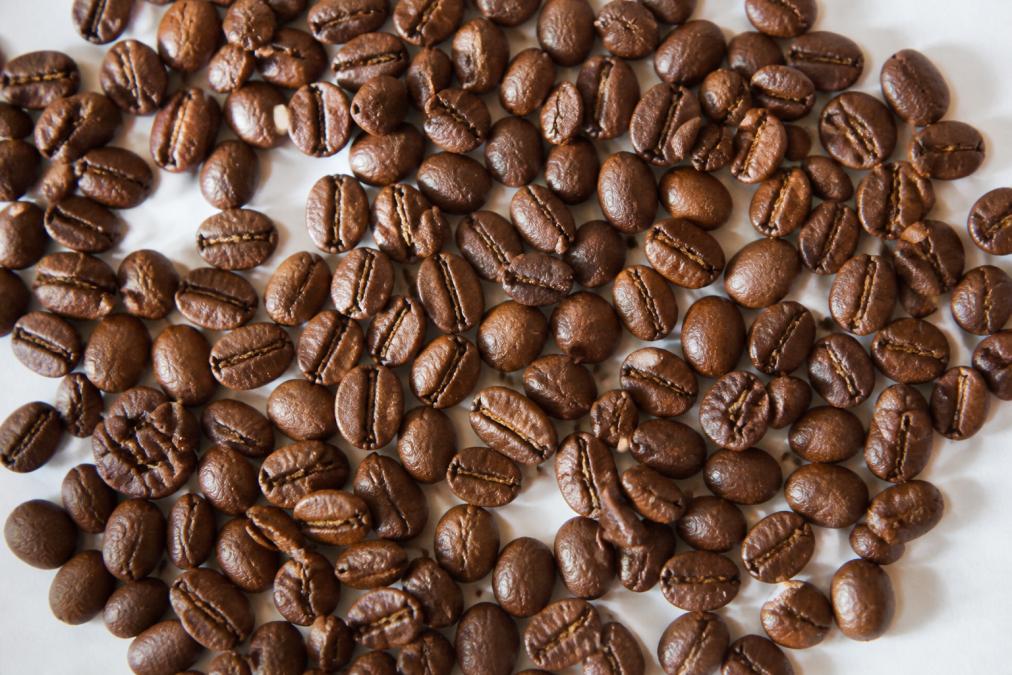
High quality beans display remarkable consistency. Spread a handful on a white surface and look at them under good lighting. Quality specialty beans should be nearly uniform in size and color, indicating careful processing, consistent roasting, and proper sorting before bagging.
When beans are uniform, they roast evenly. Uneven beans mean some will be over-roasted (bitter, thin body) while others are under-roasted (grassy, underdeveloped) in the same batch. Single-origin beans tend to show better uniformity than blends because they come from the same source.
Identifying Bean Defects and Damage
Defects tell a story about how the beans were processed and handled. A few broken beans in a bag is normal, but many broken pieces suggest aggressive roasting or poor handling. Look for deep cracks that split the bean (indicating over-roasting), large dark patches or mold-like spots (poor storage), flat or shriveled appearance (dried too quickly), and excessive debris (poor quality control).
Quality roasters remove most defects before roasting through multiple sorting stages: mechanical sorting by size and density, then hand-sorting to remove remaining defects. This is expensive, which is why it's a marker of quality.
Understanding Color and Oiliness
Surface oiliness doesn't indicate quality, it indicates roast level. Light roasts are dry, dark roasts are oily. Both can be excellent. What matters is whether the color is consistent across all the beans. Uneven color means uneven roasting, which means inconsistent flavor in your cup.
Natural-process coffees (where the fruit dries on the bean before removal) tend to have more varied color than washed coffees. This is normal and doesn't indicate lower quality. A quality roaster adjusts roasting profiles based on bean density, altitude origin, and processing method.
Origin Transparency and Specialty Coffee Grading Standards
High quality roasters provide specific origin information: country, region, farm or cooperative name, altitude, varietal, and processing method. Vague origins like "South American blend" suggest the roaster either doesn't know their supply chain or doesn't think you care.
Single-origin coffees let you taste how altitude, soil, climate, and processing method influence flavor. The Specialty Coffee Association has established grading standards that evaluate green (unroasted) beans. Specialty-grade coffee must score 80 points or higher on a 100-point scale. Quality roasters source specialty-grade beans, which is why their coffee costs more.
Processing method significantly impacts flavor profile. Washed coffees tend toward cleaner, brighter flavors with more acidity. Natural-process coffees develop fruitier, sweeter, fuller-bodied flavors. Honey-process coffees fall somewhere between. A quality roaster will tell you the processing method and explain how it influences the flavor profile you should expect.
Sensory Evaluation: Aroma, Flavor Profile, and Balance
Fresh, high quality beans should smell vibrant and complex, you might detect notes of chocolate, fruit, nuts, or flowers depending on the origin and roast level. Stale beans smell flat, musty, or cardboard-like. Grind a small amount and smell the grounds immediately. Quality coffee releases a rich, inviting aroma.
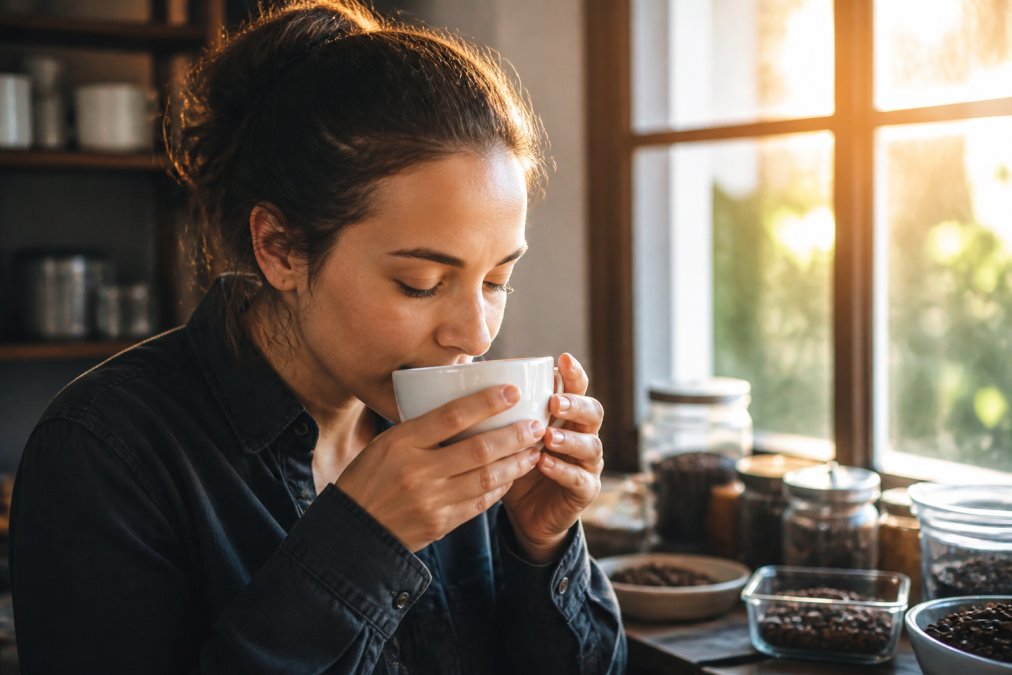
Flavor profile describes the specific tastes you experience. Quality specialty coffee displays balance, with no single flavor dominating. These notes should feel integrated, not like separate flavors fighting for attention.
The body of the coffee is how it feels in your mouth, light and tea-like, medium and balanced, or heavy and syrupy. High quality coffee should have clean body without roughness or astringency. Acidity in specialty coffee isn't about pH, it's about brightness and liveliness. Quality coffees display pleasant acidity that makes the flavor feel alive and complex.
Understanding the Cupping Process
Professional coffee tasters use a standardized process called cupping to evaluate coffee objectively. Cupping involves brewing coffee in a specific way, then systematically evaluating aroma, flavor, body, acidity, balance, and aftertaste.
The process starts with freshly roasted beans ground to medium consistency. Hot water (around 200 degrees Fahrenheit) is poured over the grounds and left to steep for four minutes. The taster then breaks the crust of grounds floating on top, inhales the aroma deeply, and begins tasting by slurping the coffee forcefully to distribute it across the palate.
Cupping scores range from 0-100, with scores above 80 indicating specialty-grade coffee. A coffee scoring 85+ is considered excellent. Most commercial coffee scores in the 60-70 range, which is why specialty coffee tastes noticeably different. You don't need formal cupping equipment to evaluate beans at home. Brew a small amount in a simple cup, let it cool slightly, and taste it multiple times as the temperature drops. Quality coffee becomes more interesting as it cools, not less.
What to Look for in Best Specialty Coffee Roasters 2026
The best specialty coffee roasters roast in small batches and roast to order rather than maintaining large inventory, ensuring maximum freshness. The Last Sip Coffee Roasters exemplifies this approach, every batch is roasted specifically for your order, which means the coffee you receive is at peak freshness when it arrives.
Look for roasters who provide detailed origin information and explain their sourcing philosophy. Quality roasters build direct relationships with farms and cooperatives and are transparent about what they pay for beans. The roaster's website should feature specific tasting notes like "bright citrus with chocolate undertones and a clean finish" rather than vague descriptions.
Consider roasters who offer single-origin options alongside blends. Look for opaque bags with one-way valves. Finally, check whether the roaster provides brewing guidance, indicating investment in your having a great experience.
Practical Steps to Evaluate Beans at Home
Start by establishing a baseline. Buy a bag from a quality specialty roaster and pay attention to every detail. Note the roast date, origin, processing method, and tasting notes provided. Brew it using your normal method and taste it carefully. Write down what you notice.
Next, compare. Buy a bag from a different roaster or a different origin from the same roaster. Brew both side by side using identical brewing parameters. The differences will become obvious.
| Evaluation Step | What to Assess | Quality Indicators |
|---|---|---|
| Visual inspection | Bean uniformity, color, defects | Consistent size/color, minimal damage, no discoloration |
| Roast date check | Freshness window | Roasted within 7-30 days of purchase |
| Aroma evaluation | Complexity and vibrancy | Rich, inviting smell; multiple scent notes |
| Flavor tasting | Balance and complexity | Integrated notes, pleasant acidity, clean finish |
| Body assessment | Mouthfeel and weight | Smooth texture appropriate to roast level |
| Aftertaste | Lingering flavors | Pleasant finish without harsh bitterness |
Invest in a basic burr grinder if you don't have one. Blade grinders produce inconsistent particle size, making it impossible to properly evaluate the coffee. A burr grinder costs between $30-100 and transforms your ability to taste what the beans are actually capable of.
Brew using a method that lets you control variables. Pour-over, French press, or Aeropress all work. Use the same method, water temperature, brew time, and coffee-to-water ratio each time you evaluate beans. Keep notes on every coffee you try, including the roaster, origin, roast date, brewing method, and your impressions. Over time, you'll develop preferences and recognize patterns.
Taste coffee at different temperatures. A coffee that tastes balanced at 160 degrees might taste brighter at 130 degrees. This temperature sensitivity is a sign of complexity and quality. When you find a roaster whose coffee consistently impresses you, consider a subscription. The Last Sip Coffee Roasters offers subscription options that deliver freshly roasted coffee on your schedule, eliminating the problem of beans sitting around getting stale.
Learning to identify high quality beans puts you in control of your coffee experience. The visual inspection techniques, freshness indicators, and sensory evaluation methods covered here are the same ones specialty roasters use to select and roast their beans. Once you understand what makes coffee excellent, you'll taste the difference immediately.
The best specialty coffee roasters make this easier by providing transparency about origin, roast date, and flavor profile. The Last Sip Coffee Roasters combines these fundamentals with roasted-to-order freshness and reliable delivery, ensuring that the high quality beans you select arrive at peak flavor. The Specialty Coffee Association's grading standards provide the industry framework for what qualifies as specialty-grade coffee. Start with fresh beans from a roaster committed to quality, evaluate them using the methods outlined here, and you'll quickly develop the palate to recognize excellence in every cup.
Frequently Asked Questions
How can you tell if coffee beans are fresh?
Fresh beans have a roast date printed on the bag within 2-4 weeks of purchase. Check the bag for a clear date, avoid beans with no date listed. Fresh beans also release more aroma when you open the bag and feel slightly oily to the touch (depending on roast level). Stale beans lose their fragrance and develop a flat, muted smell. The best specialty coffee roasters 2026 always display roast dates prominently because freshness directly impacts flavor extraction and the quality of your brew.
What are the visual signs of high-quality coffee beans?
High-quality beans show uniform size and consistent color across the batch, with minimal discoloration or visible cracks. Look for whole, intact beans without broken pieces or chips. The surface may appear slightly oily (especially in darker roasts), which indicates proper roasting. Specialty coffee grading standards require beans to have few defects, no more than 5-8 defects per 300-gram sample for specialty grade. Beans from higher altitudes tend to be denser and more uniform, which correlates with better flavor complexity.
Does the roast date affect coffee bean quality?
Yes, significantly. Beans peak in flavor 3-7 days after roasting and remain excellent for up to 4 weeks. After that, they begin to lose aroma, acidity, and body. How to read coffee roast dates is essential: look for a printed date on the bag, not a 'best by' date. Beans roasted more than 8 weeks ago will taste flat and oxidized. The Last Sip Coffee Roasters roasts every batch to order, ensuring your beans arrive at their flavor peak, which is why roast date transparency matters more than any other single quality indicator.
How do you identify high-quality beans by smell?
Fresh, high-quality beans release a rich, complex aroma when you open the bag, earthy, floral, fruity, or nutty notes depending on origin and processing method. Stale beans smell flat, musty, or lack any distinct aroma. Single-origin beans from specific altitudes and soil conditions have more pronounced, recognizable scents. Heirloom varieties often have more aromatic complexity than commercial-grade beans. Smell the beans before brewing; if the aroma is weak, the coffee won't deliver the flavor you expect in the cup.
This article was written using GrandRanker